Scrap metal theft prevention requires secure storage with locked fencing and lighting, frequent scheduled pickups to reduce accumulation, employee training on material tracking, and working with licensed recyclers who verify seller identity and maintain proper documentation. Sacramento businesses should implement layered security while partnering with compliant recycling services.
Understanding the Scrap Metal Theft Problem in Sacramento
Scrap metal theft has become a pressing concern for Sacramento and Northern California businesses. Between June and December 2024, California experienced roughly 1,805 incidents of copper wire theft and infrastructure vandalism—representing about one-third of all nationwide incidents during that period.[1] These aren't just statistics. They're disruptions that affect facility managers, construction contractors, and businesses throughout the Central Valley ecosystem.
The financial impact extends beyond the immediate loss of materials. Scrap metal theft results in substantial replacement costs, operational delays, and lost revenue due to downtime, creating cascading effects that strain budgets and client relationships. In Sacramento specifically, theft incidents have prompted increased law enforcement attention and new legislative measures to protect businesses and critical infrastructure.
What makes scrap metal attractive to thieves? High-value nonferrous metals like copper wiring, brass fixtures, and aluminum components fetch strong prices at recycling facilities—bright copper currently trades around $4 per pound in California scrap yards. That economic incentive, combined with relatively easy access at construction sites and facilities, creates persistent risk for businesses that handle these materials.
Current Theft Trends Affecting Northern California Businesses

The scope of metal theft in California prompted Attorney General Rob Bonta to convene roundtables in both Southern and Northern California during 2025 to address what he described as a surge in copper wire theft that has left neighborhoods in the dark, resulted in telecommunication and utility outages, impacted business and agricultural operations, and threatened public safety.
In October 2025, Governor Newsom signed AB 476, legislation that strengthens theft prevention and enforcement to deter copper theft, protect vital infrastructure, and hold the scrap metal industry accountable with commonsense reforms. This new law includes enhanced reporting requirements for recyclers, expanded restrictions on possessing scrap metal from essential infrastructure, and increased penalties that reflect the true costs borne by businesses and communities.
For Sacramento facility managers and security leads, these developments signal both challenges and opportunities. While theft remains a real threat, stronger regulatory frameworks and increased awareness create a more supportive environment for businesses implementing scrap metal theft prevention strategies.
Practical Steps to Secure Your Scrap Storage Areas
Effective scrap metal theft prevention starts with making your materials less accessible and less attractive to potential thieves. Here's what actually works:
Secure Your Storage Perimeter
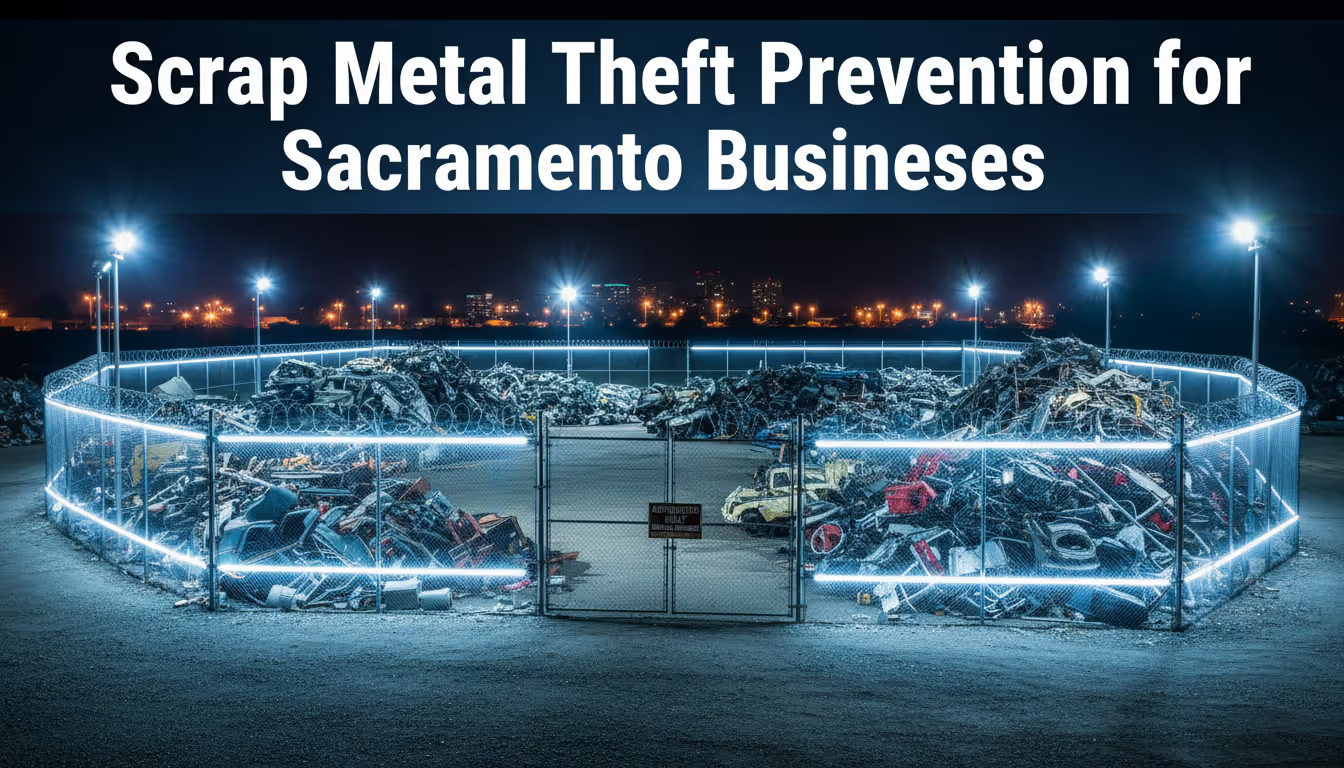
Install a 6-foot perimeter fence with barbed wire at the top (as allowed by local regulations) that has locked gates, and use a perimeter security system with contact alarms or motion detectors. This creates a visible deterrent while establishing clear boundaries around your materials. Many Sacramento businesses find that simply upgrading gate locks and adding "No Trespassing" signage reduces opportunistic theft attempts.
Improve Lighting and Visibility
Install high-intensity LED floodlights around the perimeter, especially near storage areas and entrances, as consistent bright lighting serves as a psychological deterrent and enhances surveillance footage quality. Well-lit areas discourage thieves who rely on darkness for cover. Consider motion-activated lighting for areas with less frequent activity.
Use Lockable Containers
Install sturdy fencing around your property and use lockable containers for storing smaller pieces of scrap metal, or invest in surveillance systems such as CCTV cameras. Rather than leaving materials exposed in open areas, secure high-value metals in locked bins or storage rooms. This simple step creates an additional barrier that increases both the time and risk for potential thieves.
Trim Vegetation and Eliminate Hiding Spots
Overgrown bushes, shrubs, and trees can offer cover for intruders. Maintain clear sightlines around your storage areas by keeping landscaping trimmed back. This improves visibility for security cameras and makes it harder for anyone to approach undetected.
Implement Material Tracking
Create a master list of all equipment and bulk metal at your facility, including photographs and serial numbers where applicable. Providing the list to your insurance agent and authorities might help in recovering items if theft occurs. Regular inventory checks help you quickly identify missing materials and establish patterns that might indicate security vulnerabilities.
How Scheduled Pickups Reduce Theft Risk
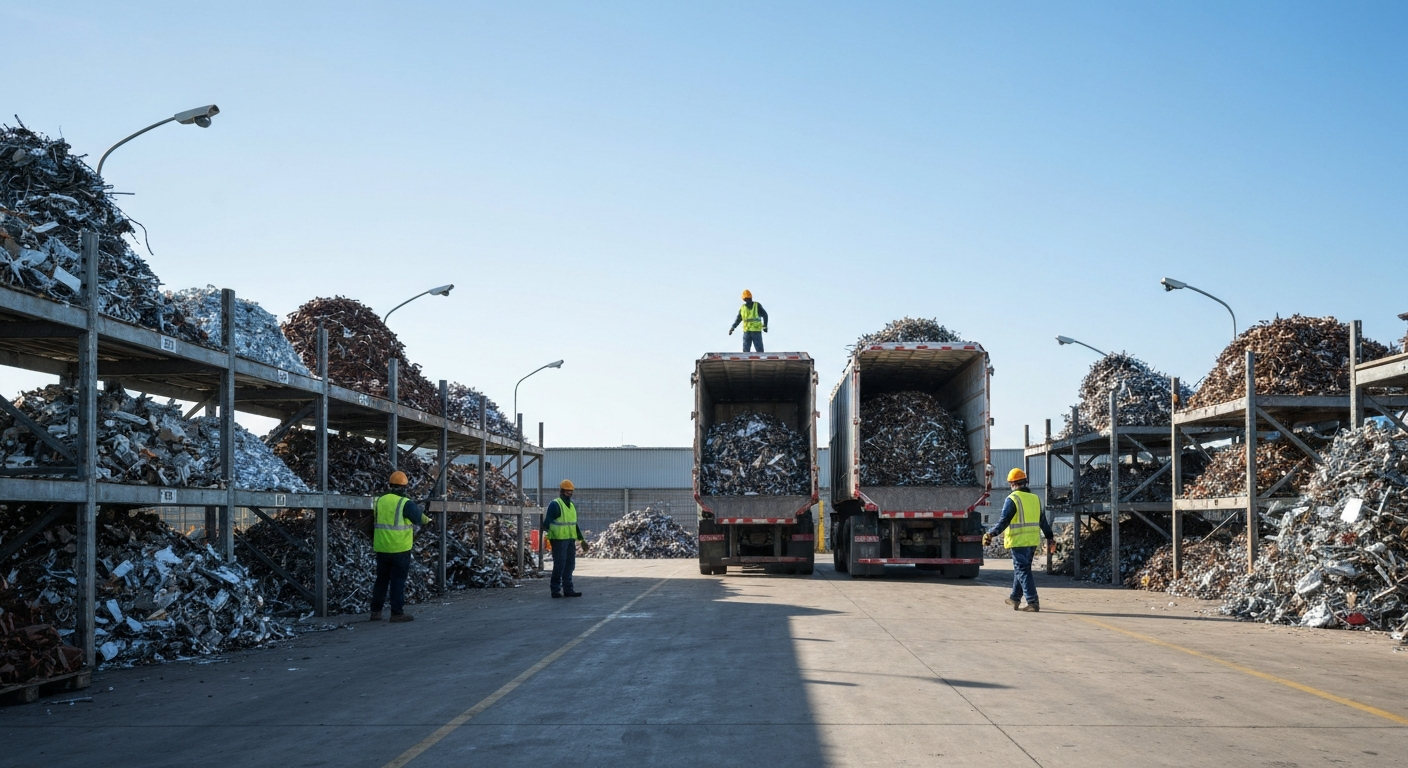
One of the most effective yet overlooked aspects of scrap metal theft prevention involves changing how long materials sit at your location. Think of accumulated scrap as an opportunity that grows more tempting the longer it remains visible and accessible.
Reduce the Theft Window
Establish a routine for transporting scrap metal to a recycling facility, as regular pickups not only reduce the risk of theft but also free up valuable storage space. When you work with a mobile recycling service that schedules frequent pickups, you're minimizing both the volume of materials on-site and the time window during which theft can occur.
Immediate Securing of New Materials
Make sure someone is present when supplies such as copper wiring or pipe are delivered at a job site so the materials can be immediately secured, and don't receive supplies earlier than you need them. This principle applies equally to scrap materials awaiting pickup. The shorter the time between accumulation and removal, the lower your exposure to theft.
For Sacramento businesses managing multiple locations or large-scale operations, coordinating regular mobile pickups creates operational efficiency while simultaneously addressing security concerns. You're not just reducing carbon footprint through proper recycling—you're actively protecting your bottom line.
What Reputable Recyclers Do to Prevent Stolen Material
Partnering with a licensed, compliant recycling service isn't just about getting fair value for your materials. It's about working with businesses that actively discourage theft through rigorous documentation and verification processes.
California's Strict ID and Documentation Requirements
California regulations require recyclers to obtain extensive documentation from sellers, including a photograph or video recording of the seller, the seller's thumbprint, a copy of the seller's driver's license or government-issued ID, description and license plate number of the seller's vehicle, and detailed documentation of the purchased material.
These aren't just bureaucratic hoops. They're designed to create accountability throughout the recycling ecosystem and make it substantially harder for thieves to profit from stolen materials. Legitimate businesses selling scrap can easily comply with these requirements, while thieves face significant barriers.
Payment Restrictions That Deter Theft
The cornerstone of California's payment restrictions is the prohibition on immediate cash transactions for most scrap metal purchases; instead, recyclers must use non-transferable checks, mailed to the seller's physical address or held for pickup after a mandatory waiting period. This creates a documented paper trail that helps authorities track stolen materials and gives law enforcement time to investigate theft reports before materials are converted to untraceable cash.
Holding Periods for High-Risk Materials
California law establishes mandatory holding periods before certain materials can be processed. AB 476 includes enhanced reporting requirements where junk dealers and recyclers must collect detailed records, including a signed statement verifying the seller's identity and lawful ownership. For businesses, this means choosing a recycler who takes these obligations seriously protects you from unknowingly becoming part of a theft operation.
Working with Willis Recycling as Your Security Partner
At Willis Recycling, we understand that effective scrap metal theft prevention requires more than just security measures at your facility. It involves partnering with a mobile recycling service that operates with complete transparency and regulatory compliance.
Our mobile pickup service addresses theft risk by:
Reducing accumulation time: We work with your schedule to pick up materials before they become attractive targets
Maintaining complete documentation: Every transaction includes proper ID verification, material documentation, and legal payment methods
Supporting local law enforcement: We participate in theft alert systems and maintain records that help authorities track suspicious activity
Providing consultation: We can review your storage practices and suggest practical improvements based on what we've seen work for other Sacramento businesses
We're not just moving scrap metal. We're helping facility managers and business owners protect their assets while supporting the broader ecosystem of compliant, responsible recycling throughout Northern California.
Train Your Team on Theft Awareness

The importance of staff education must be considered when it comes to preventing scrap metal theft, as employees should be trained on company policies regarding handling and disposal of scrap materials. Your security measures are only as effective as the people implementing them.
Consider brief training sessions that cover:
How to recognize suspicious activity around storage areas
Proper procedures for logging material movements
Who to contact if they spot potential security concerns
The financial impact theft has on the business and job security
Many Sacramento businesses find that simply raising awareness creates an informal surveillance network that catches problems before they escalate.
Build Relationships with Local Law Enforcement
Develop a relationship with local law enforcement by asking for their guidance in preventing metal theft at your business and what to do if a theft occurs. Sacramento Police Department and surrounding jurisdictions increasingly recognize metal theft as a priority concern, especially given the statewide attention these crimes have received.
When you report attempted thefts or suspicious activity, you're not just protecting your business. You're contributing data that helps law enforcement identify patterns and target resources effectively. These relationships also pay off if theft does occur, as established connections typically result in faster response and better recovery prospects.
Taking Action on Scrap Metal Theft Prevention
Metal theft isn't going away, but Sacramento businesses have more tools than ever to address it effectively. The combination of improved security practices, scheduled mobile pickups, stronger California legislation, and partnerships with compliant recyclers creates a comprehensive approach that actually works.
The key is viewing scrap metal theft prevention not as a one-time project but as an ongoing commitment. Start with the basics—secure storage, better lighting, and material tracking. Then layer on the operational advantages that come from working with a mobile recycling partner who understands both the security challenges and the regulatory landscape.
For facility managers and business owners throughout Sacramento and Northern California, protecting your scrap materials means protecting your operations, your budget, and your peace of mind. It's about creating an ecosystem where legitimate recycling thrives while theft becomes increasingly difficult and risky.
Ready to strengthen your scrap metal theft prevention strategy? Contact Willis Recycling to discuss how our mobile pickup service can reduce your exposure to theft while ensuring compliant, convenient recycling for your business.
Frequently Asked Questions
Q1: What should I do if scrap metal theft occurs at my business?
Call local law enforcement immediately and provide them with your master inventory list, including photos and serial numbers of stolen materials. Calling police immediately ensures local recyclers and scrap dealers are alerted. Document the theft scene with photographs before cleaning up, and contact your insurance agent to begin the claims process. Sacramento businesses should also report the incident to any industry associations they belong to, as theft patterns often span multiple locations. If you work with a mobile recycling service, notify them as well—they may have information about suspicious selling attempts.
Q2: How much does scrap metal theft cost businesses annually?
The US Department of Energy reports approximately $1 billion in annual losses due to copper theft alone. Beyond direct material replacement costs, businesses face operational disruptions, project delays, safety hazards from damaged infrastructure, and increased insurance premiums. Sacramento facility managers should factor in the cascading costs: downtime, emergency repairs, upgraded security measures, and strained client relationships. For construction contractors, a single theft incident can derail project timelines and erode profit margins. The true financial impact extends well beyond the immediate value of stolen materials.
Q3: Are there specific California laws about selling scrap metal?
Yes, California has comprehensive regulations governing scrap metal transactions. Sellers must provide valid identification and proof of ownership before transactions can proceed; recyclers are required to maintain detailed records including seller information, material descriptions, weights, and payment amounts. AB 476, signed by Governor Newsom in 2025, strengthens theft prevention with enhanced reporting requirements, expanded restrictions on possessing scrap metal from essential infrastructure, and increased penalties. These laws create accountability throughout the recycling ecosystem and protect legitimate businesses.
Q4: What type of lighting works best for deterring metal theft?
High-intensity LED floodlights installed around the perimeter, especially near storage areas and entrances, serve as both a psychological deterrent and enhance surveillance footage quality. Motion-activated lighting works well for areas with less frequent activity, as the sudden illumination can startle potential thieves and alert security personnel. Sacramento businesses should focus lighting on access points, storage areas, and any locations where vehicles could park for loading stolen materials. Consistent, bright lighting eliminates the darkness that thieves rely on for cover.
Q5: Should I train employees on scrap metal theft prevention?
Absolutely. Staff education is essential when preventing scrap metal theft, as employees should be trained on company policies regarding handling and disposal of scrap materials. Brief training sessions covering how to recognize suspicious activity, proper procedures for logging material movements, and who to contact with security concerns create an informal surveillance network. Employees working directly with materials need to understand the financial impact of theft on the business. Many Sacramento facility managers find that awareness training catches potential problems before they escalate into significant losses.
About the Author
Author Byline: Willis Recycling serves Sacramento and Northern California businesses with mobile scrap metal recycling services, specializing in secure, compliant material handling for facility managers, construction contractors, and commercial operations. Our team brings practical experience in theft prevention and regulatory compliance to help businesses protect their materials while supporting sustainable recycling practices.
Compliance Note: This article provides general information about scrap metal theft prevention and California regulations. Businesses should consult with local law enforcement and legal advisors to ensure their security measures comply with all applicable local, state, and federal regulations. Insurance coverage and specific security requirements vary by location and business type.
Works Cited
[1] California Office of the Attorney General — "Attorney General Bonta Holds Roundtable in Northern California to Combat Copper Wire Theft." https://oag.ca.gov/news/press-releases/attorney-general-bonta-holds-roundtable-northern-california-combat-copper-wire. Published: 2025-08-21.
[9-1] California Office of the Attorney General — "Attorney General Bonta Holds Roundtable in Northern California to Combat Copper Wire Theft." https://oag.ca.gov/news/press-releases/attorney-general-bonta-holds-roundtable-northern-california-combat-copper-wire. Published: 2025-08-21.
[12-1] ScrapMonster — "Scrap Metal Prices in California - Current Prices Paid by Scrap Yards." https://www.scrapmonster.com/scrap-yards/prices/california/state/3370. Published: 2025-11-18.
[13-1] Assembly Majority Whip Mark González — "Governor Newsom signs González's AB 476; Cracking Down on Copper Wire Theft in California." https://a54.asmdc.org/press-releases/20251013-governor-newsom-signs-gonzalezs-ab-476-cracking-down-copper-wire-theft. Published: 2025-10-13.
[14-1] Nationwide — "Metal Scrap Yard Theft Prevention." https://www.nationwide.com/lc/resources/small-business/articles/metal-theft-prevention.
[15-1] P&T Metals — "Preventing Scrap Metal Theft." https://www.ptmetals.com/blog/preventing-scrap-metal-theft/. Published: 2025-07-21.
[16-1] Metro Group — "Scrap Metal Theft: How to Protect Your Business and Property." https://metrogroup.com/combatting-scrap-metal-theft/. Published: 2025-03-13.
[17-1] Amarok — "The Rise in Scrap Metal Theft & How to Protect Profits." https://amarok.com/blog/the-rise-in-scrap-metal-theft-how-to-protect-your-profits/. Published: 2025-09-05.
[22-1] BCM Scrap Steel — "Best Practices For Secure Scrap Metal Storage." https://www.bcmscrapsteel.com.au/best-practices-for-secure-scrap-metal-storage. Published: 2025-01-09.
[24-1] Okon Recycling — "Scrap Metal Requirements in California: A Quick Overview." https://www.okonrecycling.com/industrial-scrap-metal-recycling/specialty-metals/scrap-metal-requirements-california/. Published: 2025-09-24.