Environmental, Social, and Governance reporting has shifted from optional to expected. Investors want numbers. Customers ask questions. Regulators in California set deadlines. For businesses generating scrap metal, cardboard, or e-waste, recycling data offers one of the most straightforward ways to back up sustainability claims with hard documentation.
The math is simple: every pound diverted from landfill represents measurable environmental benefit. The harder part? Turning a stack of weight tickets into the kind of documentation that satisfies reporting requirements and actually means something to stakeholders.
Here's the reality most businesses face: getting good recycling data is harder than it should be. Many scrap yards still hand you a receipt with a single weight and a handshake. That doesn't cut it when your corporate office needs quarterly diversion metrics or an auditor wants to verify your CALGreen compliance paperwork.
Why Recycling Performance Matters for ESG Reporting
ESG frameworks require companies to report on environmental metrics with increasing specificity. The "E" in ESG typically covers carbon emissions, resource consumption, and waste management practices. Recycling sits squarely in that last category—and often connects to the first two as well.
California businesses face stricter requirements than most. CALGreen mandates that construction and demolition projects divert at least 65% of debris from landfill [1]. SB 1383 targets organic waste reduction. These aren't suggestions—they're compliance requirements with documentation demands that overlap significantly with voluntary ESG reporting.
The U.S. Environmental Protection Agency reports that recycling one ton of steel saves approximately 1,400 pounds of coal and 2,500 pounds of iron ore [2]. Recycling aluminum saves up to 95% of the energy required to produce new aluminum from raw materials [3]. These aren't abstract numbers. They're the kind of impact metrics that translate directly into ESG disclosures and investor presentations.
For a facilities manager trying to hit sustainability targets, or a construction PM who needs sign-off on waste diversion before project close-out, recycling data is compliance currency.

What Data Your Recycler Should Provide
Not all recycling services generate the same quality of documentation. Here's where many businesses get stuck: they assume any receipt proves diversion. It doesn't.
An ESG auditor or CALGreen inspector wants to see net weight—the actual recycled material—not the gross weight of your truck before the recycler sorted out contamination or non-recyclables. That distinction matters more than most people realize.
When evaluating a recycler's ability to support your reporting needs, look for these data points:
Weight Documentation
Itemized weight tickets by material type (not just a single total)
Date and location of each pickup
Ticket or transaction numbers for audit trails
Running totals by month, quarter, or year
Material Classification
Breakdown by metal type (copper, aluminum, steel, brass)
Cardboard and paper quantities if applicable
E-waste or equipment categories
Clear distinction between recyclable material and residual waste
Diversion Metrics
Total pounds or tons diverted from landfill
Net weight after contamination adjustments
Percentage of material recycled versus disposed
Comparison data across reporting periods
Environmental Impact Estimates
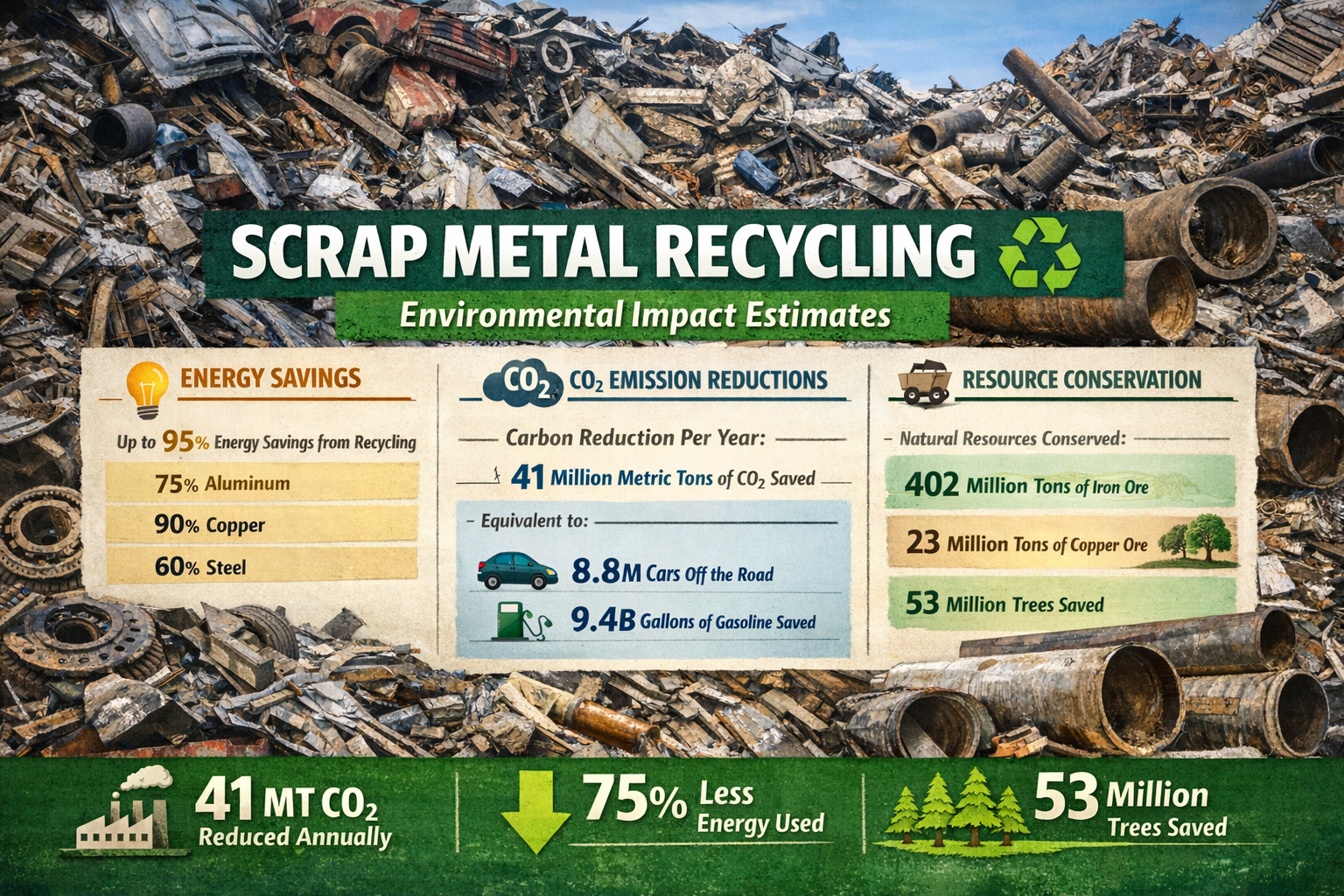
Energy savings calculations based on material type
Carbon dioxide equivalent reductions
Resource conservation figures (ore conserved from metal recycling, trees saved from cardboard recycling)
A recycler that provides clear, itemized documentation saves your team significant time when compiling reports. A recycler that only gives you a single receipt with a total weight leaves you doing guesswork—and guesswork doesn't hold up to audit scrutiny.
Turning Weight Tickets Into Reporting Assets
Raw recycling data needs context to become useful in ESG reports. Here's a practical approach to transforming pickup receipts into stakeholder-ready information.
Step 1: Organize by Material and Time Period
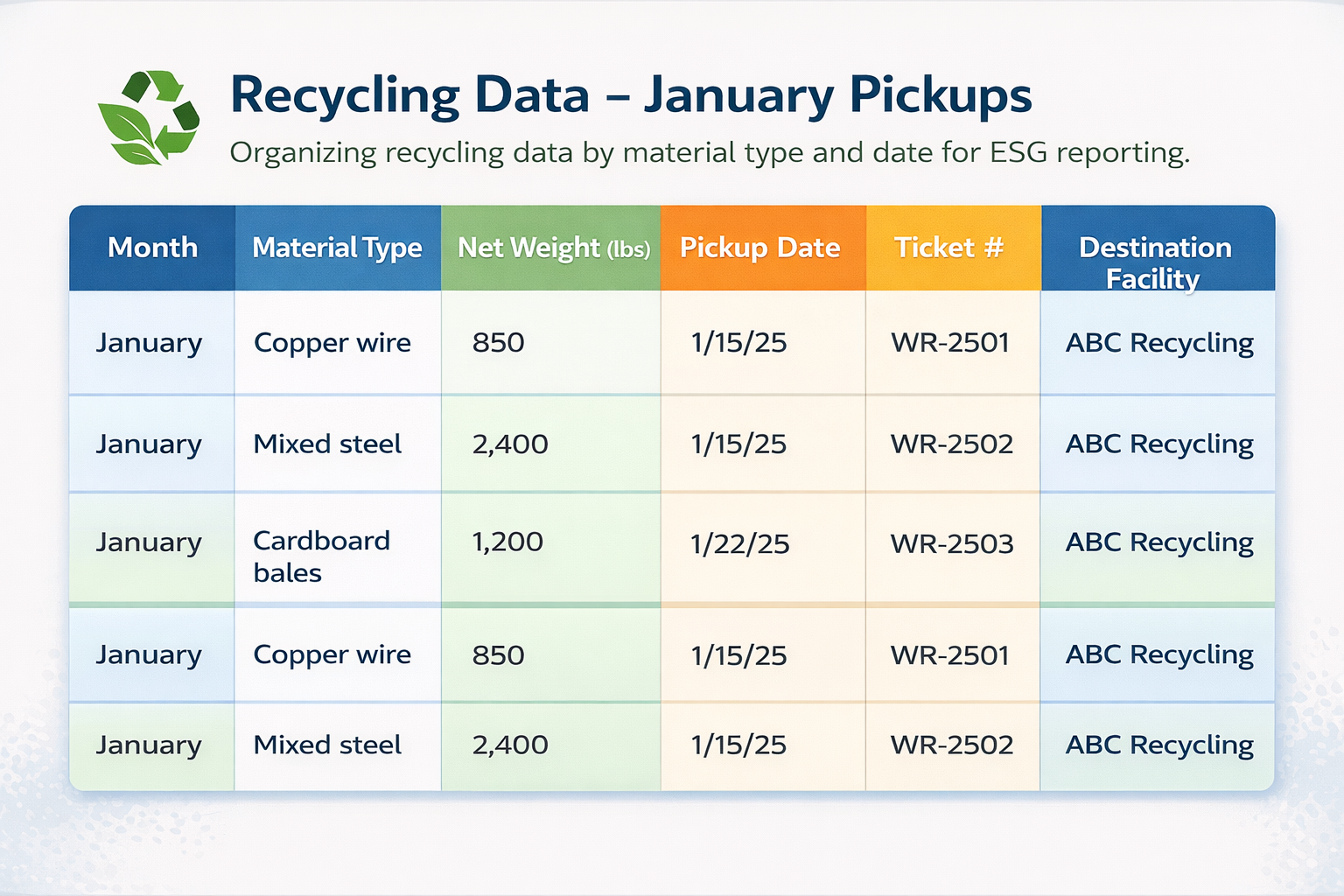
Create a simple spreadsheet tracking each pickup:
| Month | Material Type | Net Weight (lbs) | Pickup Date | Ticket # | Destination Facility |
| January | Copper wire | 850 | 1/15/25 | WR-2501 | [Facility Name] |
| January | Mixed steel | 2,400 | 1/15/25 | WR-2502 | [Facility Name] |
| January | Cardboard bales | 1,200 | 1/22/25 | WR-2503 | [Facility Name] |
The "Destination Facility" column matters for CALGreen audits specifically—inspectors want to know where materials actually went. The ticket number creates an audit trail back to your source documentation.
This organization allows you to generate totals by material type, by month, or by quarter—whatever your reporting framework requires.
Step 2: Calculate Environmental Equivalents
Use established conversion factors to translate weight into impact. The EPA and industry sources provide reliable benchmarks:
Steel recycling: Saves approximately 1.8 barrels of oil per ton recycled [4]
Aluminum recycling: Saves 14,000 kWh of energy per ton recycled [3]
Cardboard recycling: Saves 17 trees per ton recycled [5]
Copper recycling: Uses 85-90% less energy than virgin copper production [6]
One note of caution: apply these multipliers to your net recycled weight, not your gross pickup weight. Overstating environmental impact based on inflated numbers is exactly the kind of thing that gets flagged as greenwashing.
Step 3: Create Simple Visuals
ESG reports often include charts showing environmental performance. A basic bar chart comparing quarterly diversion totals, or a pie chart showing material type breakdown, communicates more effectively than tables of numbers.
Most spreadsheet programs can generate these visuals in minutes once your data is organized. The goal isn't fancy graphics—it's clear communication of trends and totals.
Step 4: Draft Talking Points
Translate the numbers into statements stakeholders can understand:
"In 2024, our facility diverted 42 tons of scrap metal from landfill, conserving an estimated 58,800 pounds of iron ore."
"Our cardboard recycling program saved the equivalent of 714 trees last year."
"Metal recycling reduced our waste disposal costs while generating $X in material value."
These talking points work for investor presentations, sustainability sections of annual reports, or marketing materials highlighting environmental responsibility.
Common ESG Frameworks and Recycling Data
Different reporting frameworks emphasize different metrics. Understanding what your target framework requires helps you collect the right data from the start.
GRI (Global Reporting Initiative)Focuses on waste by type and disposal method. Requires disclosure of total waste generated, waste diverted from disposal, and waste directed to disposal [7]. GRI wants specificity—you'll need material-by-material breakdowns, not just aggregate totals.
SASB (Sustainability Accounting Standards Board)Industry-specific standards often include waste metrics. Manufacturing, construction, and retail sectors typically have explicit waste diversion expectations. The metrics matter most for industries where waste is material to operations.
CDP (Carbon Disclosure Project)While primarily focused on carbon emissions, CDP's environmental reporting increasingly incorporates waste management practices as part of overall environmental stewardship. The connection between recycling and avoided emissions makes this data relevant.
CALGreen ComplianceFor California construction projects, this isn't optional. The 65% diversion requirement comes with documentation expectations—itemized receipts, destination facilities, and calculated diversion percentages. Your recycler's paperwork is your compliance evidence.
Internal Company TargetsMany companies set their own sustainability goals independent of external frameworks. Recycling data supports internal tracking of progress toward zero-waste or waste reduction commitments.
What Counts as "Diversion" for ESG Reporting
This question comes up constantly, and the answer matters more than people think.
Simply putting materials in a blue bin or calling a hauler doesn't automatically count as diversion. What counts is material that actually gets recycled—meaning it goes through processing and re-enters the manufacturing stream as raw material.
For your reporting to hold up:
You need documentation from the receiving facility (or your recycler who delivers to that facility) confirming the material was processed
Contaminated loads that get landfilled don't count toward diversion, even if you intended them for recycling
Net weight after sorting is what matters, not gross weight before contamination removal
A recycler who provides detailed documentation showing what was actually recycled—not just what was picked up—gives you defensible numbers. A recycler who hands you a vague receipt leaves you exposed if anyone asks questions.
How Better Diversion Results Strengthen Credibility
Investors and customers increasingly scrutinize sustainability claims. Vague commitments to "environmental responsibility" carry less weight than specific, documented performance.
Strong recycling metrics provide several credibility benefits:
Third-Party VerificationWeight tickets from a licensed recycler constitute independent documentation. Unlike self-reported estimates, these records come from an outside source that processed your materials. That independence matters when stakeholders evaluate your claims.
Year-Over-Year ComparisonConsistent tracking allows you to show improvement over time. A trend line showing increasing diversion rates demonstrates genuine commitment, not a one-time effort. If your diversion percentage went from 45% to 68% over three years, that's a story worth telling.
Supply Chain TransparencyKnowing where your recyclables go—and being able to document that chain—addresses stakeholder concerns about greenwashing. When you can name the processing facility and provide ticket numbers, you're not just making claims. You're providing evidence.
Regulatory Compliance EvidenceFor projects requiring CALGreen compliance or similar mandates, recycler documentation provides the paper trail needed for inspections and certifications. The same documentation that satisfies inspectors also satisfies ESG auditors.
Building Recycling Into Your Reporting Process
Integrating recycling data into ESG reporting works best when treated as an ongoing process rather than a year-end scramble.
Establish a Regular Pickup ScheduleConsistent pickups generate consistent data. A monthly or bi-weekly schedule creates regular documentation intervals that align with reporting periods. It also prevents the accumulation problems that lead to mixed, poorly documented loads.
Request Itemized Receipts at Every PickupThis is non-negotiable for serious reporting. At each pickup, ensure you receive documentation breaking down materials by type and weight. If your recycler can't or won't provide this level of detail, that's a problem.
Maintain a Central FileKeep all weight tickets and receipts in one location—digital or physical. When reporting season arrives, you'll have everything accessible. A shoebox of random receipts in the back office doesn't cut it when someone asks for Q3 diversion metrics.
Review QuarterlyA quick quarterly review catches any documentation gaps early and allows you to adjust if certain materials aren't being tracked properly. It's much easier to fix a tracking issue in February than to reconstruct missing data in December.
Confirm What Your Recycler Can ProvideBefore you commit to working with any recycler, ask specifically what documentation they provide. Do they break down materials by type? Do they track net weights? Can they provide facility destination information? The answers determine whether their paperwork will support your reporting needs.
Getting Started
If you're generating scrap metal, cardboard bales, or e-waste in the Sacramento region and need documentation that supports ESG reporting, a structured recycling program is the foundation.
Willis Recycling provides on-site pickup with itemized weight documentation for each material type. Every pickup includes transparent records showing what was collected, when, and in what quantities—the raw data you need to build credible sustainability reports.
Call (916) 271-2691 to discuss your recycling needs and documentation requirements.
Frequently Asked Questions
What recycling data do I need for basic ESG reporting?At minimum, you need total weight diverted from landfill, broken down by material type (metals, cardboard, e-waste). Dates of pickup, itemized receipts showing net weights, and running totals by reporting period round out the essential documentation. More sophisticated reports may require environmental impact calculations using established conversion factors for each material category.
How do I convert recycling weight into carbon savings for reports?Use EPA or industry-published conversion factors specific to each material type. For example, recycling one ton of steel saves approximately 1.5 metric tons of CO2 equivalent. Apply these multipliers to your net recycled weight—not gross pickup weight—to avoid overstating your impact. Your recycler should provide weight by material type; you apply the appropriate multiplier for each category.
Can recycling documentation help with CALGreen compliance?Yes. CALGreen requires California construction projects to divert at least 65% of debris from landfill. Itemized weight tickets from a licensed recycler showing material types, weights, and destination facilities serve as evidence of diversion rates during inspections and project closeout. This documentation is typically required before final sign-off.
How often should I collect recycling data for ESG purposes?Monthly collection aligns with most reporting frameworks and allows quarterly and annual roll-ups. Consistent documentation intervals make year-over-year comparisons straightforward and catch any data gaps early. Quarterly reviews help ensure nothing falls through the cracks before annual reporting deadlines.
What if my current recycler doesn't provide detailed documentation?Request itemized receipts breaking down weight by material type at each pickup. Ask specifically about net weight versus gross weight documentation. If your recycler can't or won't provide this level of detail, consider switching to one that understands documentation is part of the service—not an extra. For serious ESG reporting or regulatory compliance, vague receipts create audit risk.
About Willis Recycling
Willis Recycling is a family-owned mobile recycling service based in Sacramento, serving businesses throughout Northern California. With nearly two decades of combined industry experience, the team provides on-site scrap metal and cardboard pickup with transparent, itemized documentation. All transactions follow California's ID-verified intake requirements, and every pickup includes detailed weight records by material type—giving businesses the data they need for compliance, accounting, and sustainability reporting.
Works Cited
[1] California Building Standards Commission — "CALGreen California Green Building Standards Code." https://www.dgs.ca.gov/BSC/Resources/Page-Content/Building-Standards-Commission-Resources-List-Folder/CALGreen
[2] U.S. Environmental Protection Agency — "Recycling Basics and Benefits." https://www.epa.gov/recycle
[3] The Aluminum Association — "Recycling." https://www.aluminum.org/recycling
[4] American Iron and Steel Institute — "Steel Recycling." https://www.steel.org/sustainability/
[5] EPA — "Paper and Paperboard: Material-Specific Data." https://www.epa.gov/facts-and-figures-about-materials-waste-and-recycling/paper-and-paperboard-material-specific-data
[6] Copper Development Association — "Copper Recycling." https://www.copper.org/environment/lifecycle/recycling.html
[7] Global Reporting Initiative — "GRI 306: Waste 2020." https://www.globalreporting.org/standards/