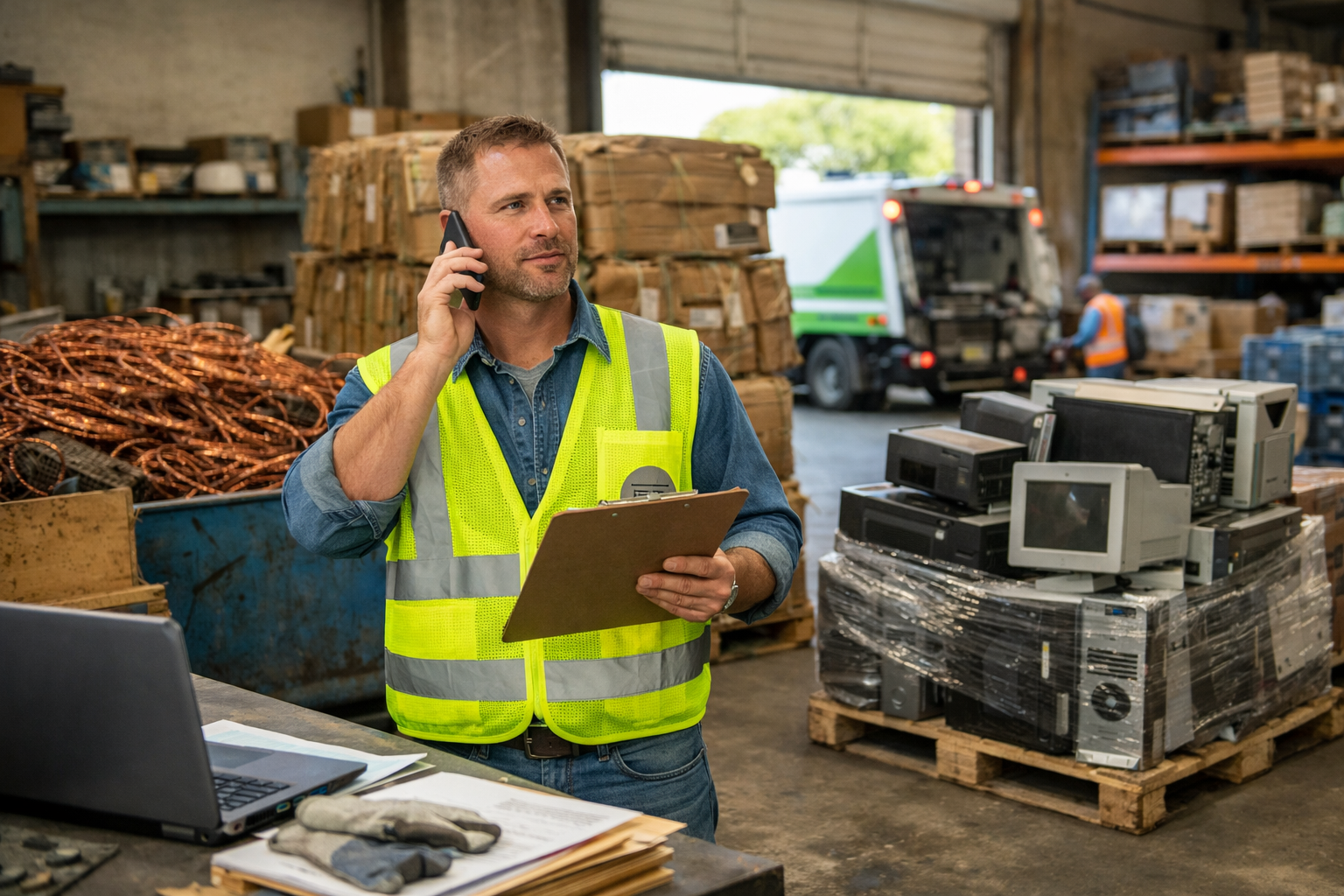
We talk to Sacramento business owners every week who want to recycle but literally don't have the floor space. The cramped back office. The single break room that doubles as storage. The loading dock that's already too small for deliveries.
Here's what we've learned after years of working with businesses of all sizes: small business recycling doesn't require a warehouse, dedicated staff, or fancy equipment. It requires a system that fits your actual space and actual schedule.
Whether you run a dental practice, a small contractor office, or a boutique retail shop, you can build a recycling program that works without adding chaos to your day.
Why Recycling Makes Sense for Small Businesses
The benefits extend beyond environmental responsibility. For small operations, recycling touches three practical concerns: cost, image, and compliance.
Reducing Waste Disposal Costs
Most small businesses pay for waste removal by volume or weight. When recyclable materials—cardboard boxes, paper, aluminum cans—go into the regular trash, you're essentially paying to throw away items that could be diverted elsewhere.
Depending on your waste composition, separating recyclables can reduce your trash pickup frequency or container size. That translates to real savings on monthly hauling fees.
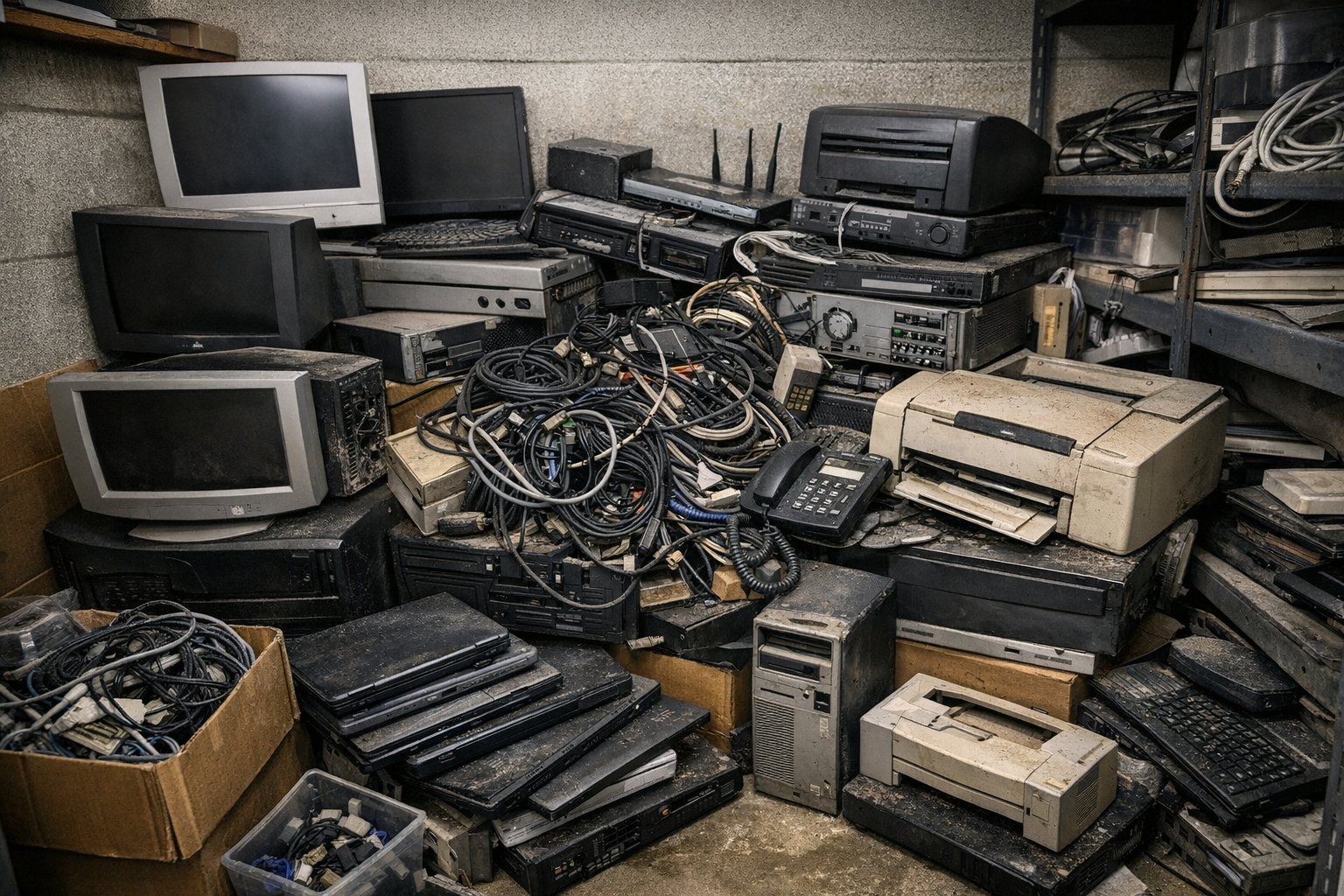
Something many business owners don't realize: certain scrap materials actually have value. That old computer equipment collecting dust in the back room? The copper wiring from your last renovation? These items can potentially generate income rather than cost you disposal fees.
[Placeholder: Image of typical small business recyclable materials - flattened cardboard, paper, bottles]
Professional Image Matters
Clients and customers notice. A visible recycling bin in your lobby or break room signals that your business operates thoughtfully. For many customers—particularly younger demographics—environmental responsibility factors into purchasing decisions.
Your employees notice too. Workplace recycling programs consistently rank among the sustainability initiatives that matter most to staff. It's a small thing that contributes to workplace culture.
Staying Ahead of California Regulations
California's recycling requirements continue to tighten. CALGreen mandates affect construction and demolition waste, while SB 1383 targets organic waste reduction for businesses of various sizes. Starting a basic program now positions you to meet future requirements without scrambling.
The Space Problem Is Real—But Solvable
Limited square footage is the number one barrier small businesses cite when avoiding recycling programs. Valid concern. But the solution isn't finding more space—it's being strategic with what you have.
Assess What You Actually Generate
Before buying bins or creating elaborate systems, spend one week observing your waste stream. What fills your trash cans?
For most small offices, the answer falls into predictable categories:
Paper and cardboard from deliveries, mail, and printed documents
Plastic bottles and aluminum cans from the break room
Food waste from lunches
Occasional e-waste from equipment upgrades
Understanding your specific mix helps you focus efforts where they'll have the most impact.
Start With Two Streams, Not Five
The biggest mistake small businesses make? Trying to replicate municipal curbside programs with separate bins for paper, plastic, glass, metal, and compost.
That level of sorting requires space, signage, employee training, and constant monitoring. For a five-person office, it's overkill.
Instead, start with two streams:
Regular trash (non-recyclable waste)
Mixed recyclables (paper, cardboard, plastic bottles, aluminum)
Most commercial recycling services accept mixed recyclables in a single stream. Check with your current waste hauler—you may already have recycling service available that you're simply not using.
Important distinction: Your municipal waste hauler or commercial recycling service handles day-to-day recyclables like paper, bottles, and cans. When you accumulate bulk materials—baled cardboard, scrap metal from equipment, old electronics—that's when a service like Willis Recycling comes in for scheduled pickups.
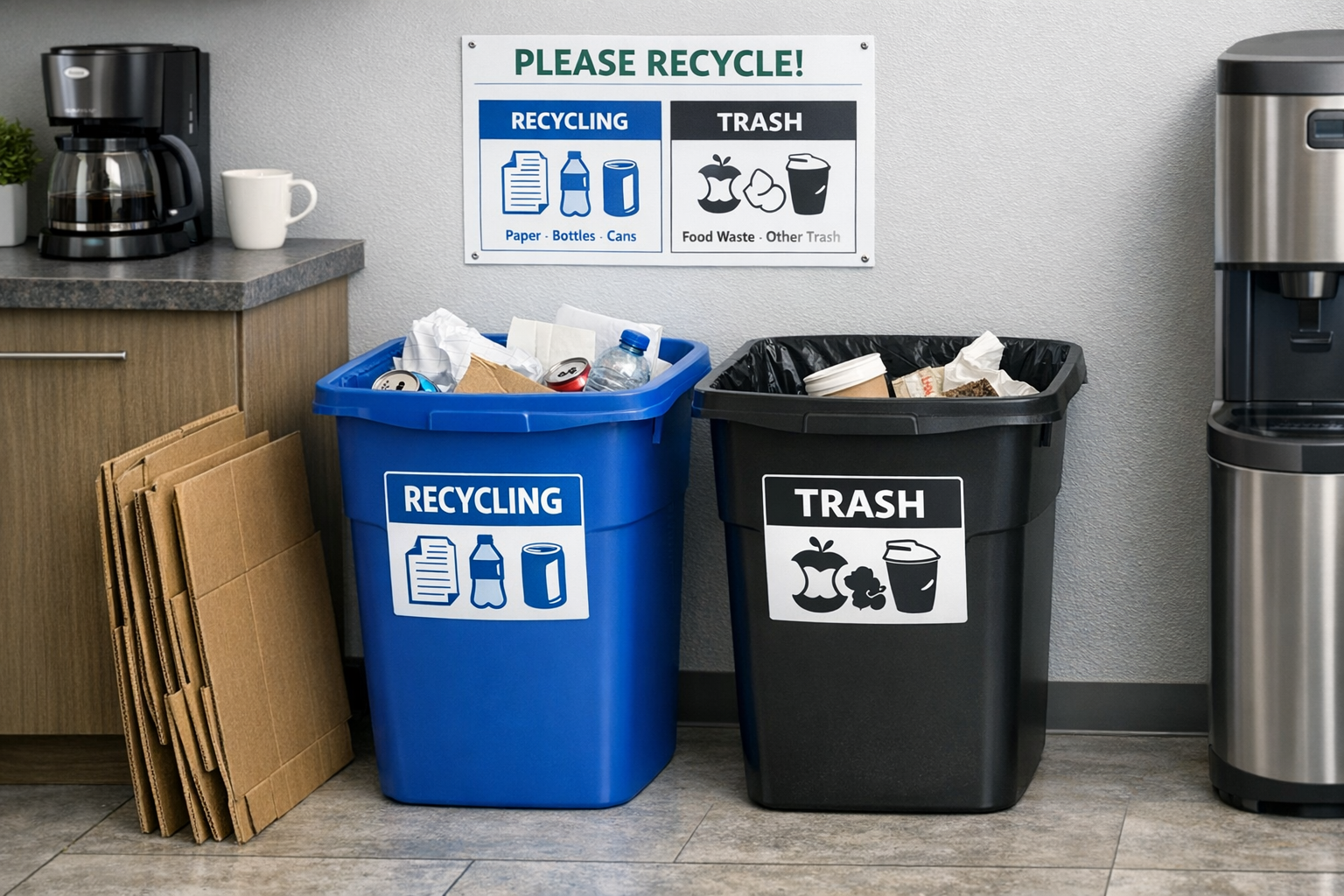
Your Minimal Viable Setup
Here's what a functional small business recycling program actually requires:
In the break room or kitchen:
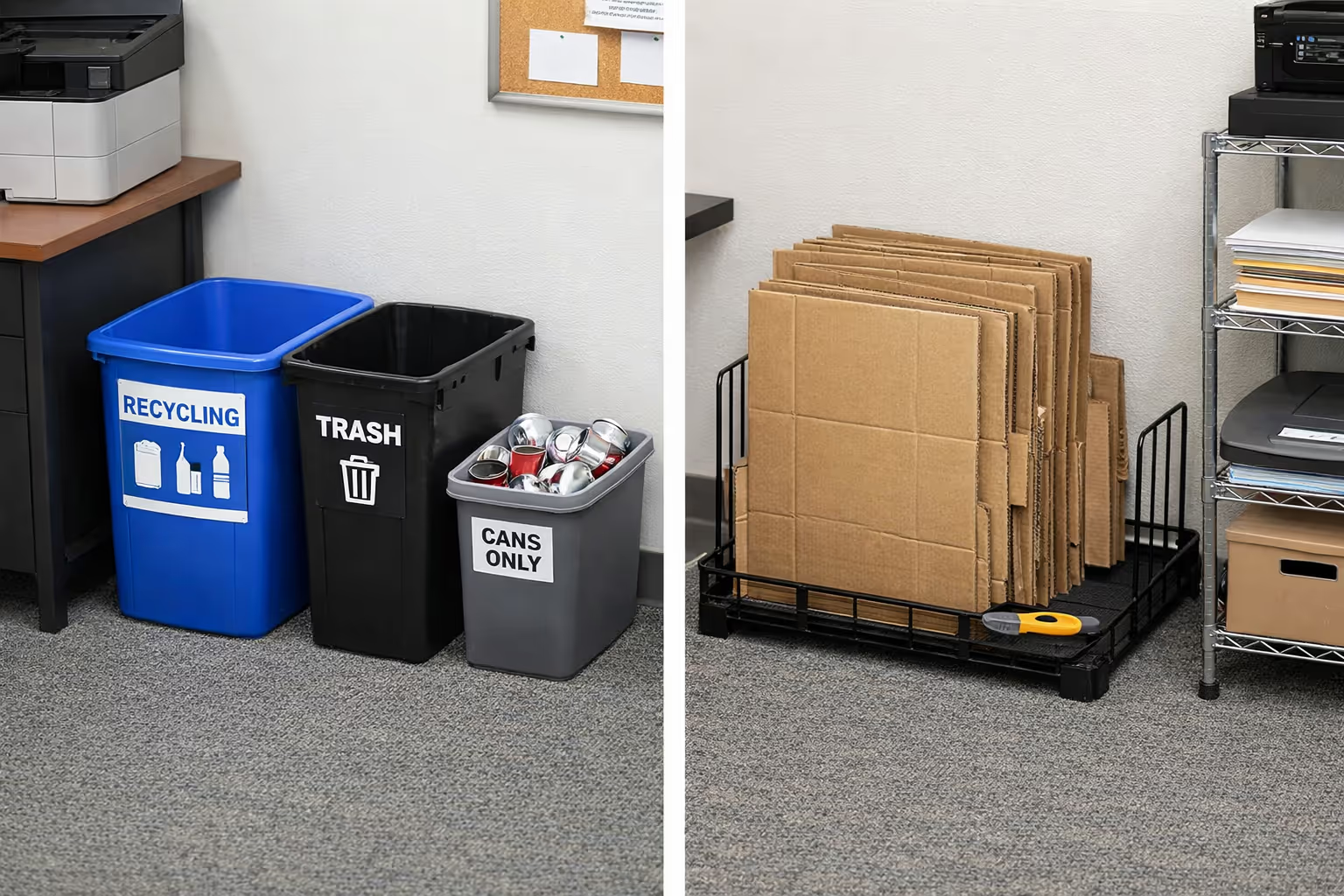
One small recycling bin (clearly labeled)
One trash bin
Optional: a container for aluminum cans if you generate significant volume
Near the entrance or receiving area:
A spot to flatten and stack cardboard
This doesn't need to be a bin—a corner or designated floor space works
At individual workstations:
Small paper recycling containers or desktop bins
Alternatively, a central paper recycling bin that employees walk to
Total space requirement: roughly 4-6 square feet beyond your existing trash setup.
[Placeholder: Simple diagram showing minimal recycling setup for small office]
Making It Work Day-to-Day
Systems only function if they're easy to maintain. Here's how to keep yours running without constant attention.
Clear, Simple Signage
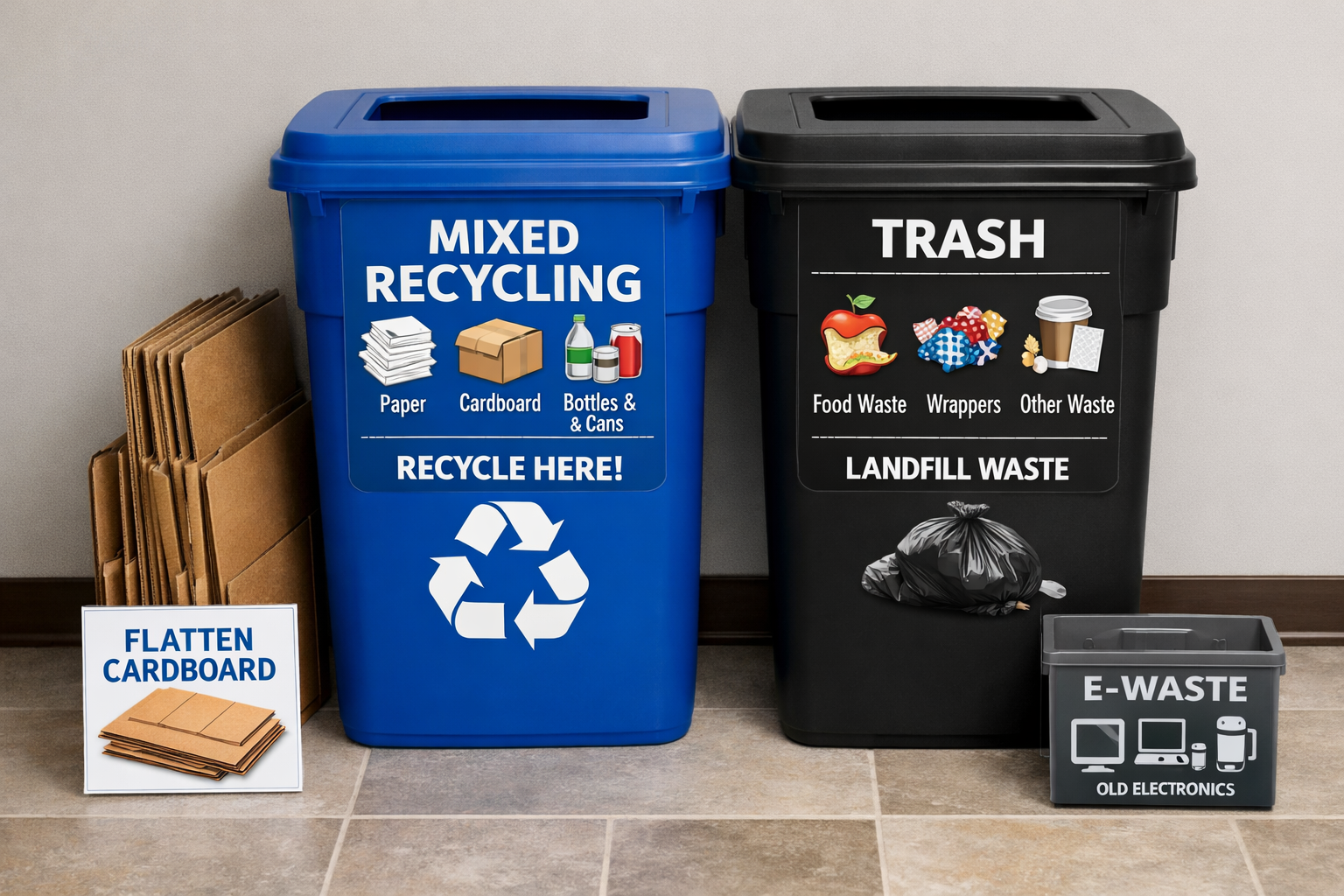
People recycle correctly when they don't have to think about it. Post clear labels on every bin showing what goes where. Pictures work better than text alone.
Avoid lengthy lists of acceptable items. Instead, try simple categories:
Recycling: Bottles, cans, paper, cardboard
Trash: Everything else
When in doubt, employees should default to trash. Contamination—putting non-recyclable items in recycling bins—can render entire loads unusable.
Designate a Point Person
Even in a tiny office, someone needs to own the program. This doesn't require significant time—maybe 15 minutes per week to:
Check that bins aren't overflowing
Flatten accumulated cardboard
Coordinate with your hauler if issues arise
Rotate the responsibility quarterly if no one wants permanent ownership.
Handle Cardboard Strategically
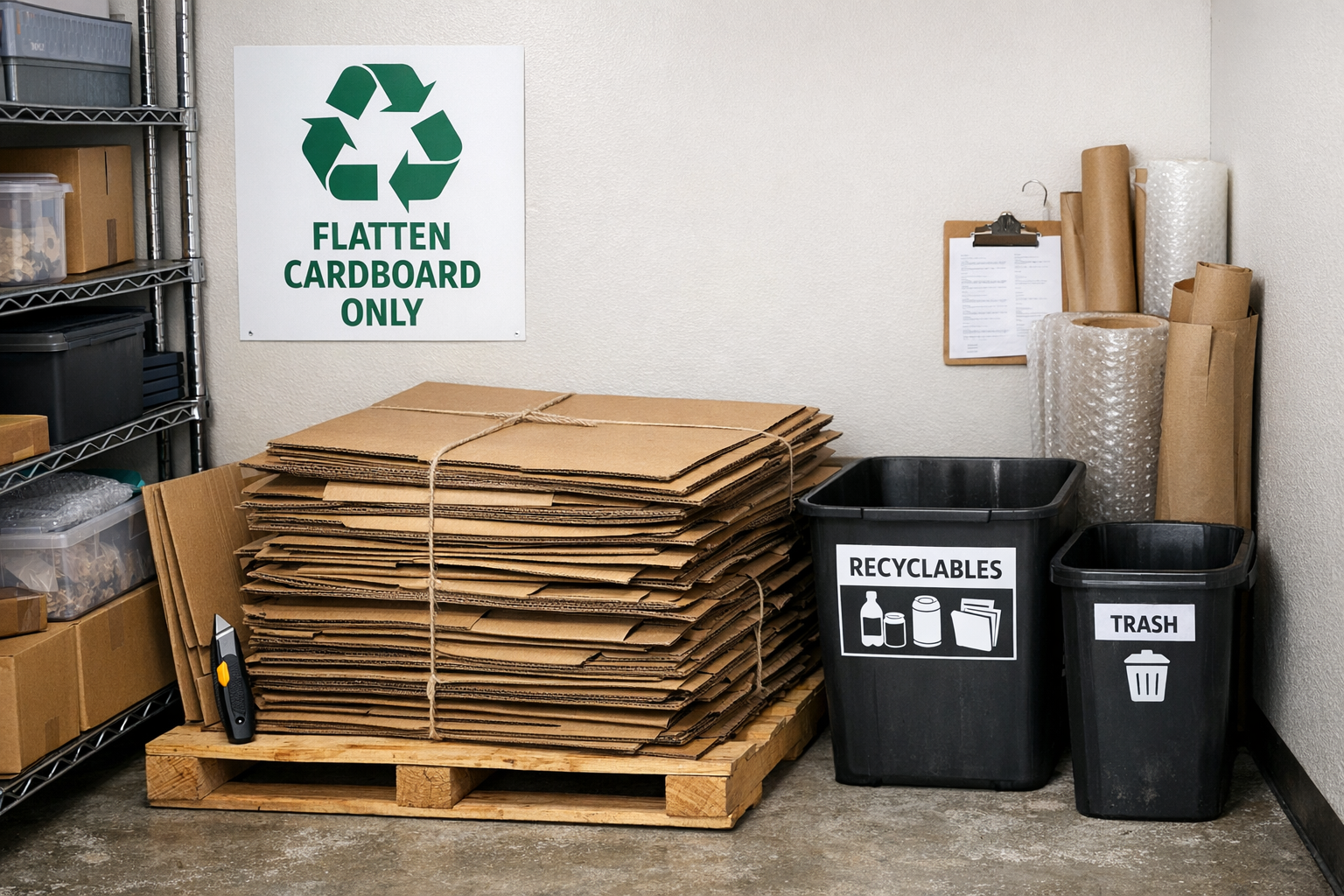
Cardboard often represents the largest recyclable volume for small businesses. Those Amazon boxes add up fast.
The key is breaking them down immediately upon opening. A box knife by your receiving area makes this automatic. Flat cardboard stacks efficiently; assembled boxes eat space.
If your cardboard volume exceeds what fits in your recycling service, you have options:
Upgrade to a larger recycling container
Schedule additional pickups during high-volume periods
Partner with a recycling service that specifically handles commercial cardboard in bulk
For businesses in Sacramento and Northern California generating significant cardboard volume, a bulk pickup might eventually make sense—but that's a conversation for when you've outgrown your current system.
When Daily Recycling Becomes Bulk Scrap
Standard recycling programs cover paper, cardboard, bottles, and cans. But small businesses often accumulate materials that don't fit those categories—and these require different handling.
Common Scrap Materials Small Businesses Generate
Think about what passes through your operation over a year:
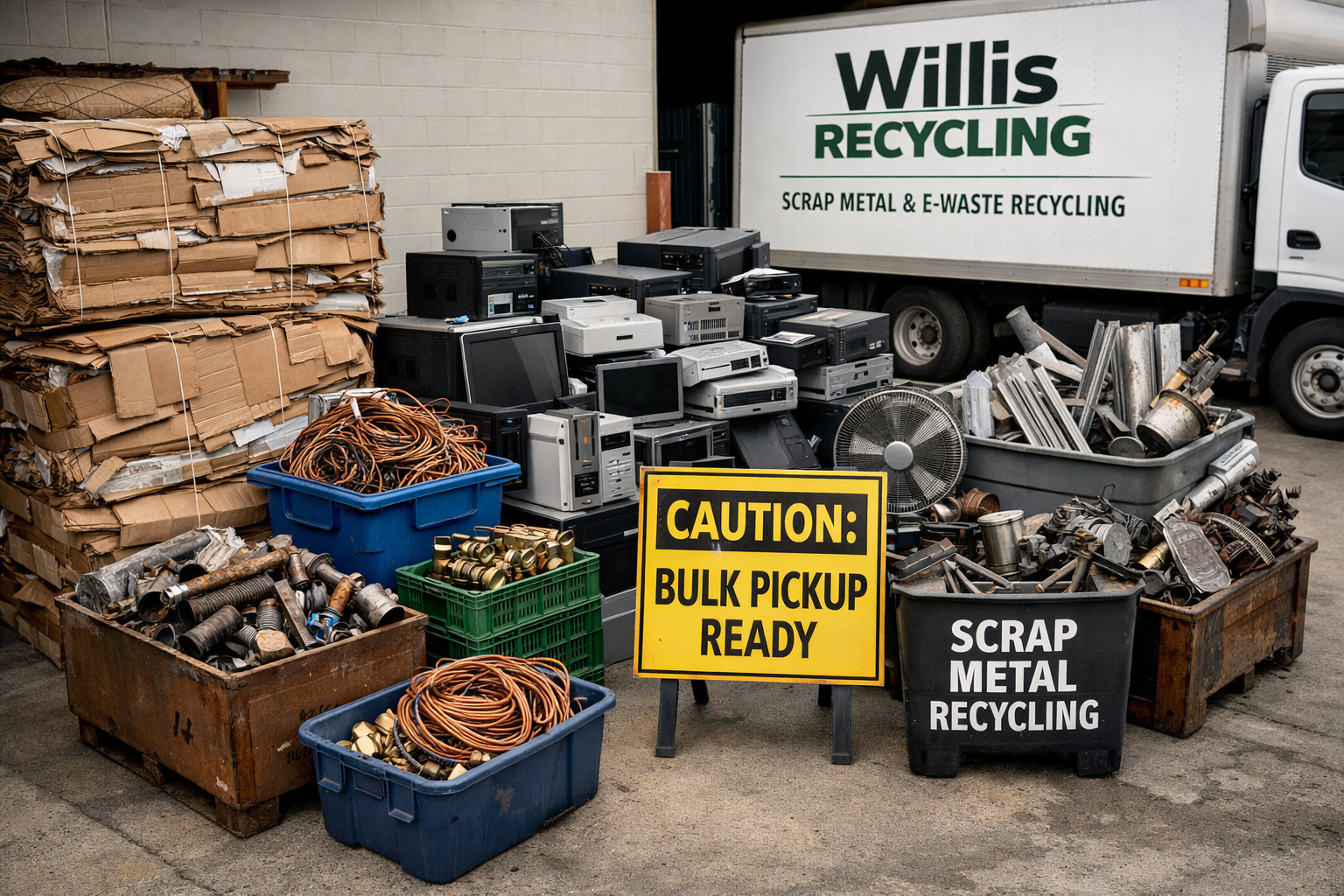
Old electronics: Computers, monitors, printers, phones
Metal fixtures: Shelving, signage brackets, old equipment
Copper wiring: From renovations or equipment replacement
Aluminum and steel: Shipping materials, broken furniture, various parts
These items can't go in regular recycling bins. They require separate handling—and they often have actual value.
The Accumulation Approach
Small businesses rarely generate enough scrap to justify frequent pickups. The smarter approach: designate a storage spot and accumulate materials until you have a meaningful load.
A corner of your storage room, a section of the garage, or even a covered outdoor area works. The goal is keeping materials organized and accessible until you have enough to schedule a pickup.
Common accumulation timelines for small businesses:
E-waste: Every 6-12 months, depending on your equipment turnover
Scrap metal: Every 3-6 months, or when your designated space fills
Cardboard bales: Weekly or monthly if you have high volume
Getting Value for Your Scrap
Certain materials—particularly copper, brass, and aluminum—have commodity value. Instead of paying someone to haul them away, you can receive compensation based on weight and current market prices.
The key is finding a recycling partner who:
Handles commercial quantities (even small ones)
Provides fair, market-based evaluations
Comes to you rather than requiring drop-off
For most small businesses, scheduling a pickup once or twice a year makes sense. Let materials accumulate, then have everything evaluated and removed at once.
Building Recycling Into Your Operations
The most successful small business recycling programs aren't add-ons—they're integrated into normal operations.
Procurement Decisions
What you buy determines what you eventually need to dispose of. Simple procurement shifts can reduce recycling complexity:
Choose suppliers who minimize packaging
Select products in recyclable containers over non-recyclable alternatives
Buy in bulk to reduce per-unit packaging waste
Vendor and Customer Communication
Tell your suppliers you prefer minimal packaging. Many will accommodate the request, especially for regular customers.
Consider sharing your recycling commitment with customers too. A small sign or website mention costs nothing and reinforces your professional image.
Track Your Progress
You don't need elaborate metrics. A simple quarterly check-in works:
Are recycling bins being used correctly?
Has trash volume decreased?
What materials are accumulating that need different handling?
This basic monitoring helps you adjust the program as your business changes.
When to Level Up
Your basic program should run smoothly for months or years before needing changes. But certain signals suggest it's time to expand:
Recycling bins consistently overflow: You may need larger containers or more frequent pickups from your hauler.
Significant scrap accumulation: If you're regularly generating metal, electronics, or equipment, establishing a regular pickup schedule with a commercial recycling service makes sense.
Employee frustration: Complaints about the system indicate it needs refinement—more bins, better signage, or clearer guidelines.
Business growth: More employees or higher volume typically means more waste. Scale your program proportionally.
Common Mistakes to Avoid
Overcomplicating the System
Five separate bins with detailed sorting requirements will fail in a small office. Keep it simple enough that a new employee can understand in 30 seconds.
Ignoring Contamination
One wrong item can contaminate an entire recycling load. Food-soiled pizza boxes, plastic bags, and non-recyclable plastics are common culprits. Train employees on the basics and monitor bin contents occasionally.
Forgetting About Scrap Materials
Standard recycling handles paper and bottles. Electronics, metal fixtures, and equipment require different handling. Don't let valuable materials pile up indefinitely—establish a system for periodic removal.
Expecting Immediate Perfection
Programs take time to become habit. Expect a learning curve during the first month. Gentle reminders work better than criticism.
Getting Started This Week
Launching a small business recycling program requires less than you think:
Observe your waste stream for one week
Set up a two-stream system (recycling and trash)
Create clear, simple signage
Designate a point person
Establish a spot for scrap accumulation
That's your foundation. Everything else is optimization.
For the day-to-day recyclables—paper, bottles, cans—your municipal hauler or commercial waste service likely already offers options. Check your current contract or give them a call.
For the bulk scrap materials that don't fit standard recycling—the old computers, metal shelving, copper wire, and equipment destined for replacement—you'll want a partner who handles commercial pickups on your schedule.
Willis Recycling works with Sacramento and Northern California businesses of all sizes, including small operations just getting started with recycling. We provide on-site pickup for scrap metal, e-waste, and cardboard bales, with fair evaluations based on current market rates. There's no minimum load requirement for established clients, and scheduling is flexible around your operations.
Call Willis Recycling at (916) 271-2691 to discuss your materials, or email [email protected] for a quick quote. We're happy to advise on what's worth accumulating and what the best disposal options are for items we don't handle.
Frequently Asked Questions
What's the minimum amount of recyclable material needed to start a program?
There's no minimum for day-to-day recycling—even a single bin in your break room counts as a program. Your municipal or commercial waste hauler handles the routine pickups. For bulk scrap materials like metal and equipment, accumulating materials over several months typically makes more sense than frequent small collections. Most small businesses find that scheduling a scrap pickup once or twice a year works well.
How do I know if my scrap materials have value?
Metals like copper, brass, aluminum, and steel typically have commodity value based on weight and market conditions. Electronics and equipment vary depending on their composition. A recycling partner can evaluate your materials on-site and explain what compensation applies to each item type. The key is working with someone who provides fair, market-based evaluations rather than flat-rate fees.
Will recycling actually reduce my waste disposal costs?
It depends on your waste composition and current hauler contract. Businesses generating significant cardboard, paper, and bottles often see reduced trash volumes, which can lower pickup frequency or container size. The savings vary, but many businesses at least break even while operating more responsibly. Some also generate modest income from scrap materials that would otherwise cost money to dispose of.
What if I don't have room for additional bins?
Start with one small recycling bin placed next to your existing trash. That's the minimum viable setup. For cardboard, a floor corner works—flatten boxes and stack them vertically. Scrap materials can accumulate in any secure storage area until pickup. Most small businesses find they need only 4-6 additional square feet to run a functional program.
How often should scrap metal and e-waste be picked up?
Most small businesses accumulate enough for a worthwhile pickup every 3-12 months, depending on their operations. Let materials build up until your designated storage area is reasonably full, then schedule a pickup. Flexible scheduling means you're not locked into arbitrary timelines—you call when you're ready.
About Willis Recycling
Willis Recycling is a family-owned mobile recycling service based in Sacramento, serving Northern California businesses since 2017. With nearly two decades of combined industry experience, we specialize in on-site pickup of scrap metal, cardboard bales, e-waste, and equipment—bringing the recycling center directly to your location. Our team handles all sorting, loading, and transport, providing transparent documentation and fair evaluations based on current market conditions. From small offices to Fortune 500 partners, we've built our reputation on responsive service, honest dealings, and making recycling convenient for businesses of every size.
Cited Works
[1] U.S. Environmental Protection Agency — "Recycling Basics and Benefits." https://www.epa.gov/recycle/recycling-basics-and-benefits
[2] Institute of Scrap Recycling Industries — "The Scrap Recycling Industry." https://www.isri.org/recycling-industry
[3] CalRecycle — "Mandatory Commercial Recycling." https://calrecycle.ca.gov/recycle/commercial/
[4] The Recycling Partnership — "Contamination in Recycling." https://recyclingpartnership.org/contamination/