When selecting a recycling company Sacramento businesses can trust, evaluate five key factors: proper licensing and certifications, proven service reliability, transparent pricing structure, comprehensive material handling capabilities, and local regulatory knowledge. Local specialists often respond faster and understand California's AB 341 and SB 1383 requirements better than national haulers.
Top Five Factors in Choosing the Right Recycling Company Sacramento for Your Business
You've got scrap metal piling up in the back lot. Cardboard bales taking over your warehouse. Old equipment collecting dust. And now Sacramento's recycling regulations are breathing down your neck.
Finding the right recycling partner shouldn't feel like another headache on your to-do list. But with more companies competing for commercial accounts, how do you separate the real specialists from the ones who'll let you down?
The decision matters more than you might think. Pick the wrong vendor and you're looking at compliance fines, unreliable service, and missed revenue from recyclables that should've been turning a profit. Choose wisely and you gain a partner who makes your operation smoother while actually helping your bottom line. This is why choosing the right recycling company Sacramento depends on understanding the factors that truly affect your business.
Factor 1: Licensing, Certifications, and Compliance Track Record
Let's start with the basics that protect your business.
Any recycling company Sacramento operations consider should carry proper state and local permits. California requires recycling centers and processing facilities to complete CalRecycle training and score at least 80 percent on a written test to qualify for certification. This isn't optional paperwork—it shows they understand program rules and can handle your materials legally.
But don't stop at state certification. Look for industry credentials that signal real expertise. For electronics recycling, R2 certification demonstrates responsible e-waste management and proper data destruction practices. The RIOS certification integrates quality, environmental, and safety management systems specifically designed for recyclers.
Here's what to ask potential vendors:
Can you show me your current California recycling permits?
What industry certifications do you maintain?
Have you faced any compliance violations in the past three years?
How do you stay current on changing regulations?
Safety matters too. Ask about their workers' compensation insurance and liability coverage. You don't want your company caught in the middle if something goes wrong at their facility.
Factor 2: Service Reliability and Response Time
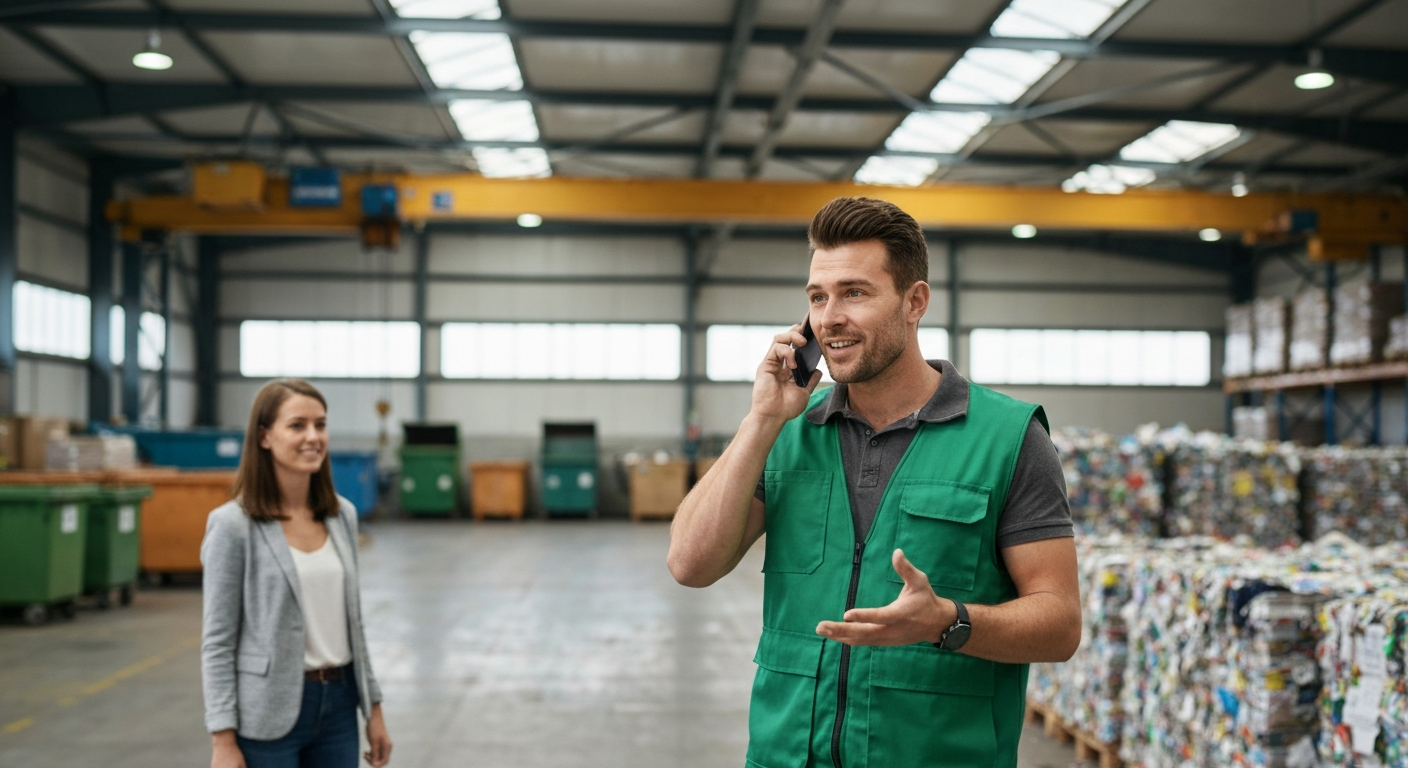
Regulations are one thing. Actually showing up when they're supposed to is another.
Sacramento businesses operate on tight schedules. When you arrange for a pickup, you need that truck rolling into your yard on the agreed date. Not three days later. Not after repeated phone calls. On time, every time.
Local recycling specialists—especially a local recycling company Sacramento businesses depend on—hold a real advantage here. They can often reach your location within hours for urgent needs, while national haulers might take days.
Consider these reliability indicators:
Flexible scheduling: Can they work around your receiving hours? Will they accommodate last-minute pickups when your operations shift?
Communication systems: How do they confirm appointments? Can you track your service requests? Is there a real person you can call, or just a 1-800 number that bounces you through endless menus?
Equipment readiness: Do they maintain their trucks and containers properly? Nothing's worse than a broken-down truck delaying your scheduled pickup.
Ask for references from businesses similar to yours. Call them. You'll learn more in a five-minute conversation with their current clients than from any sales pitch.
Factor 3: Transparent Pricing Structure
Money talks, and in recycling, it should talk clearly.
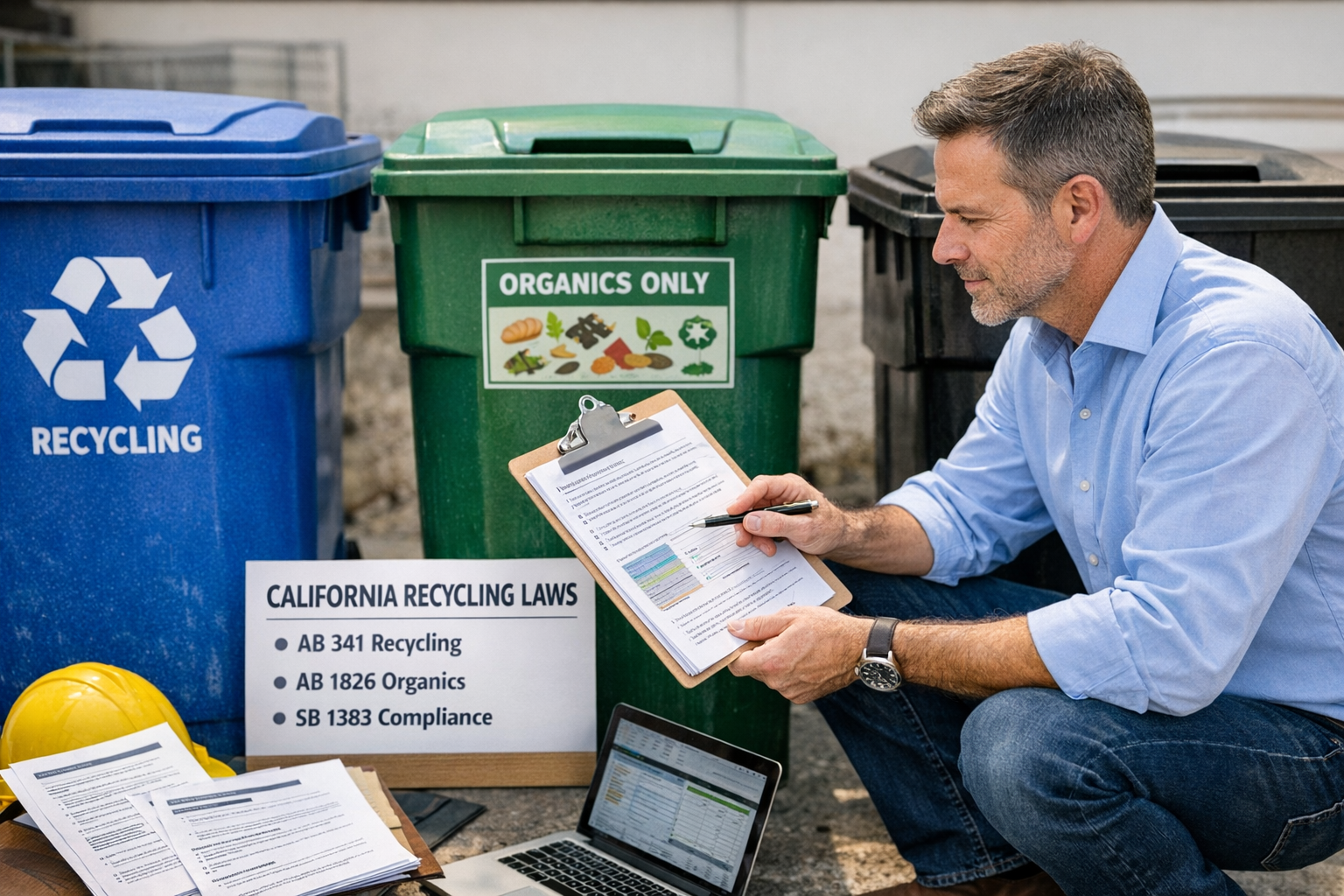
California's AB 341 requires businesses generating 4 cubic yards or more of commercial solid waste per week to arrange for recycling services. When you’re working with a trustworthy recycling company Sacramento, compliance becomes easier—and you may even generate revenue from your materials.
But pricing models vary wildly across the industry. Some companies charge pickup fees. Others pay you based on material value. Many do a combination. The key is transparency.
Watch out for these pricing red flags:
Refusing to explain their rate structure upfront
Vague promises about "competitive" pricing without specifics
Hidden fees that appear on invoices later
Wildly different quotes for the same service
Local Sacramento recycling companies often provide clearer pricing because they're competing directly in your market. They know you can compare rates easily, so they tend to be more straightforward.
Smart buyers ask:
Do you pay for materials like copper, aluminum, or brass? What are your current rates?
What pickup fees apply, if any?
How often do material values change? Will you notify me?
Are there container rental charges?
What's your minimum load requirement?
Get it in writing. A reputable vendor welcomes putting terms on paper.
Factor 4: Range of Materials and Multi-Stream Capabilities
Your waste stream isn't one-dimensional, so why should your recycling partner be?
Modern businesses generate multiple recyclable materials: scrap metal from renovations, cardboard from shipping, electronics from IT refreshes. Managing separate vendors for each material type means juggling contacts, schedules, and invoices.
Companies like Willis Recycling that handle multiple material streams simplify operations significantly. One contact. One scheduled pickup. One invoice. Less administrative headache for your operations team.
Starting in January 2022, all California businesses must recycle organic materials such as food waste, food-soiled paper, and yard debris under SB 1383. While not all recycling partners handle organics, they should at least understand how it fits into your overall waste management strategy.
Materials commonly handled by comprehensive recyclers:
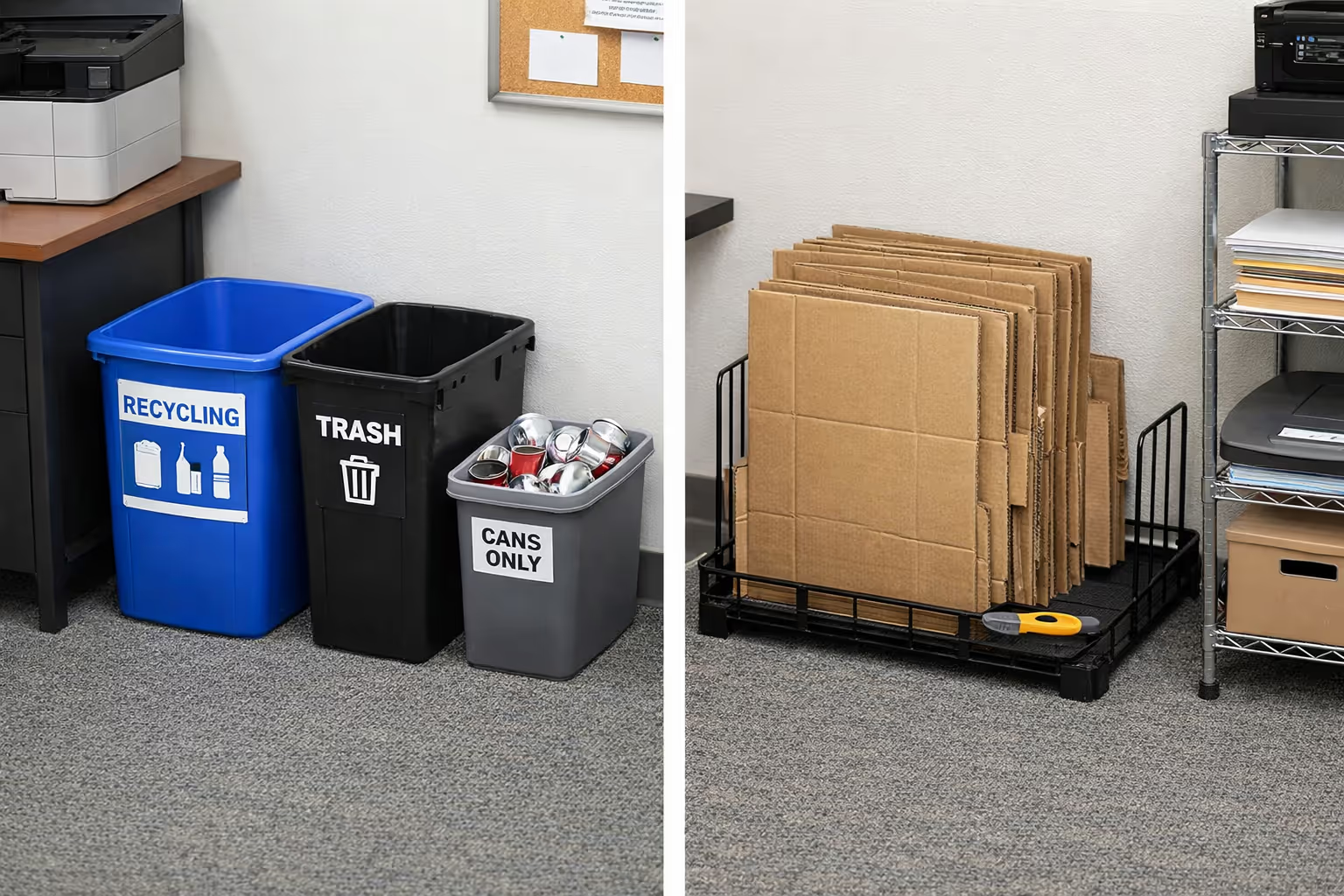
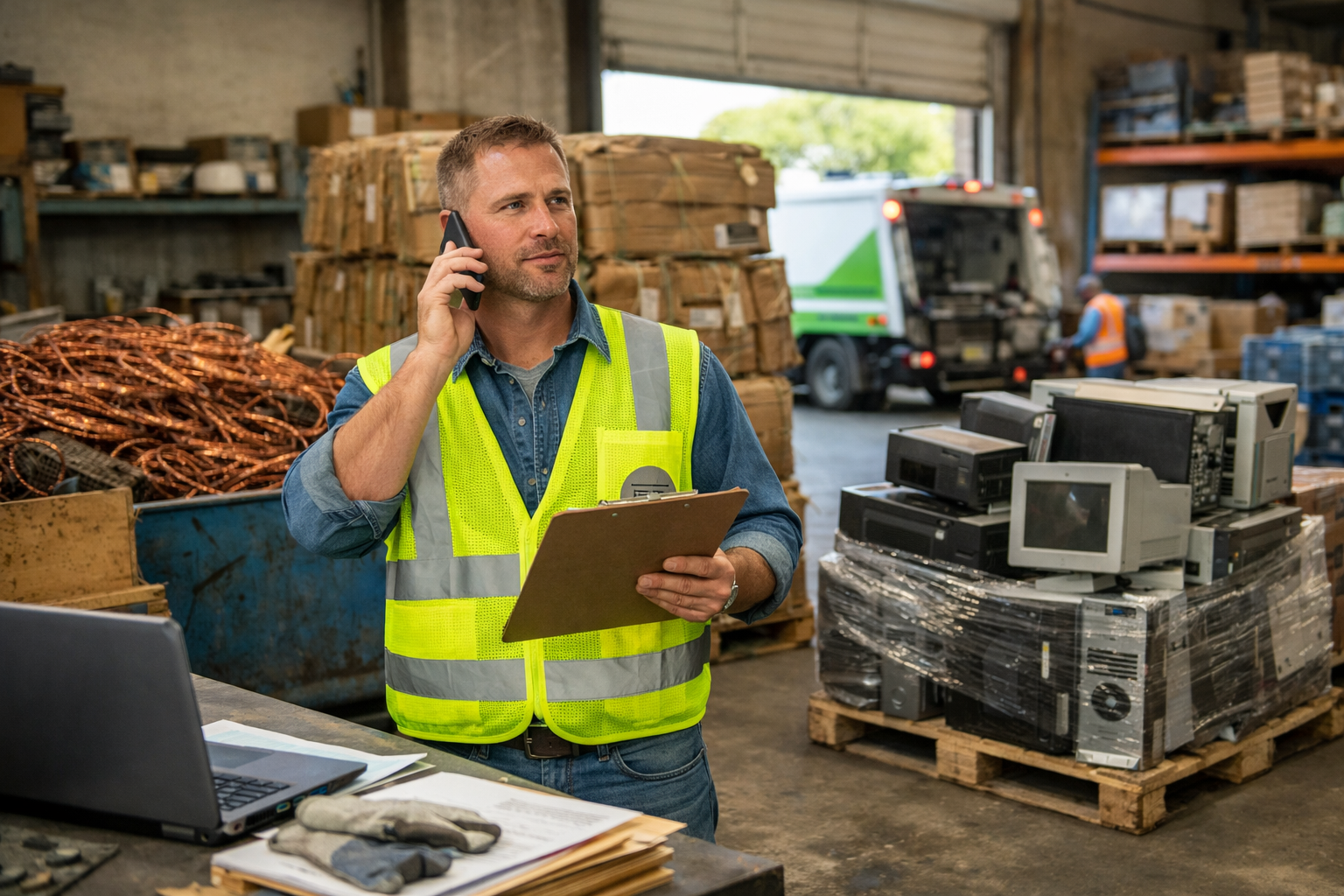
Metals: Aluminum, brass, copper, stainless steel, cast iron, insulated wire Cardboard: Baled or loose, depending on your volume Electronics: Computers, monitors, servers, phones with secure data destruction Mixed recyclables: Depending on local program requirements
Ask potential vendors:
Which materials can you process at your facility?
Do you handle materials we generate that aren't on your standard list?
Can you consolidate our metal, cardboard, and e-waste pickups?
What happens to materials you can't process—do you coordinate with other facilities?
The broader their capabilities, the simpler your recycling program becomes.
Factor 5: Local Expertise and Regulatory Knowledge

Sacramento isn't San Francisco. Regulations and enforcement priorities vary by jurisdiction, and local knowledge counts.
State law enacted by California AB 341 requires businesses generating four or more cubic yards of solid waste per week to recycle, while SB 1383 mandates organic waste collection services starting in 2022. Local recycling companies work with these requirements daily across dozens of Sacramento businesses.
They know which materials inspectors focus on during compliance checks. They understand how local enforcement differs from state mandates. They've helped other businesses in your industry navigate the same challenges you're facing.
National haulers certainly understand federal regulations and can operate anywhere. But when Sacramento County updates its enforcement procedures or the City implements new requirements, local specialists hear about it first—and they're positioned to help you adapt quickly.
Regional advantages include:
Faster response times: Local teams can be on-site within hours, not days Better route efficiency: Shorter distances mean more flexible scheduling and lower fuel costs Community connections: Established relationships with local agencies and industry groups Sacramento-specific expertise: Understanding of city and county variations in requirements
Geographic proximity also reduces your carbon footprint. Shorter truck routes mean fewer emissions, which aligns with sustainability goals many businesses are tracking.
Asking the Right Questions: Your Vendor Evaluation Checklist
Before you sign any agreement, run through these questions with each potential recycling company Sacramento offers:
Service capabilities:
How long have you been serving Sacramento businesses?
Can you provide three references from companies in our industry?
What's your average response time for service calls?
Do you offer emergency or same-day pickups?
Compliance and safety:
Show me your current California permits and certifications
What's your safety record over the past three years?
How do you handle material tracking and documentation?
What reporting can you provide for our compliance needs?
Financial transparency:
Walk me through your pricing structure
Which materials generate revenue versus costs?
How often do rates change?
What's included in your service agreement versus charged separately?
Operational fit:
Can you accommodate our facility's scheduling requirements?
What container sizes do you offer?
How do we communicate service requests?
Who's our primary contact for questions or issues?
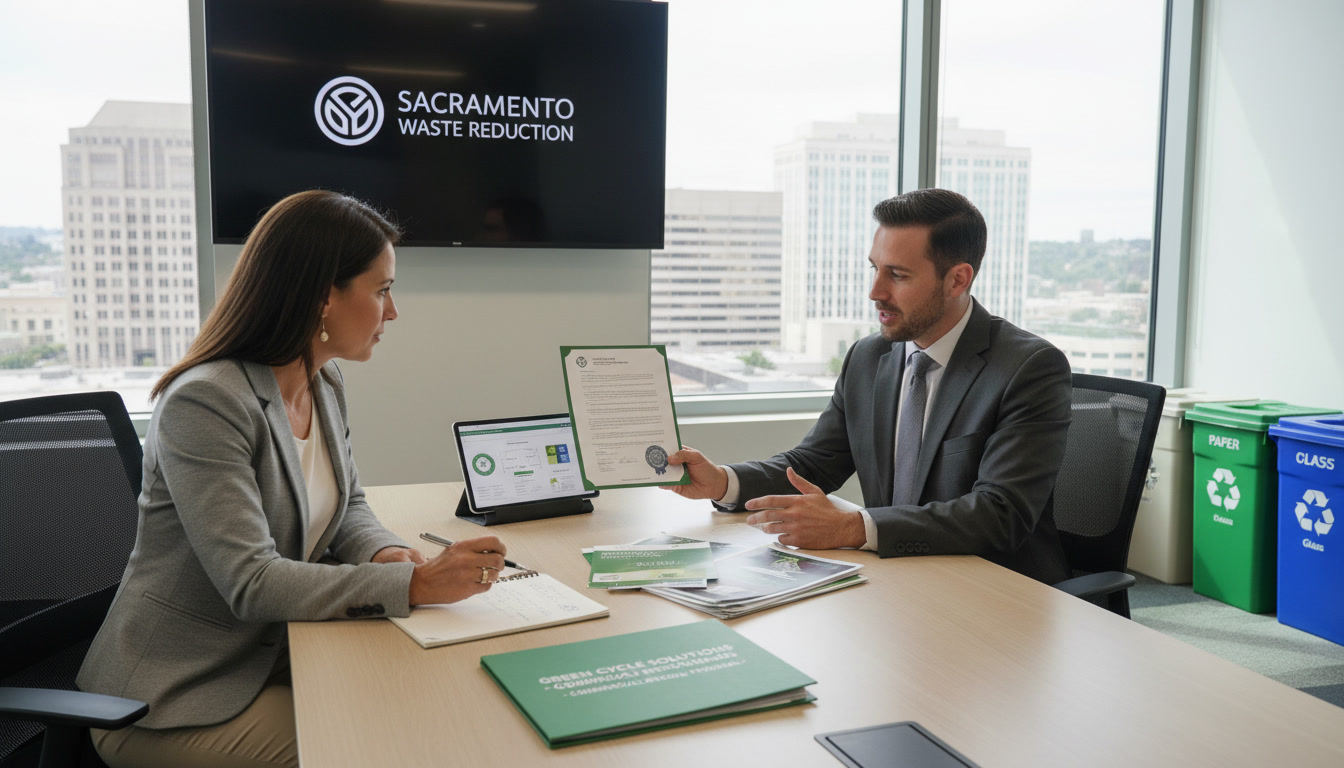
Take notes. Compare answers across vendors. The right partner makes this process feel collaborative, not like they're rushing you to sign.
Local Specialist vs. National Hauler: What's Right for Your Business?
This isn't about one being universally better than the other. It's about what fits your operation.
National waste management companies bring scale, standardized processes, and experience across thousands of locations. If you operate multiple facilities nationwide, consolidating with one vendor simplifies corporate oversight.
Regional specialists like Willis Recycling offer personalized service, faster response times, and deeper local knowledge. They're more likely to work with you on creative solutions because your account matters more to their business.
Consider these trade-offs:
Local specialists:
Faster on-site response (often same-day or next-day)
Better understanding of Sacramento and California regulations
More flexibility in customizing service
Direct access to decision-makers
Typically stronger relationships with customers
May have narrower geographic coverage
National haulers:
Broader service territory for multi-location businesses
Standardized processes across locations
Potentially more infrastructure resources
Established brand recognition
May prioritize larger accounts over smaller ones
Longer chains of communication
Many Sacramento businesses find that using a local specialist for their recyclables (metals, electronics, cardboard) while keeping a national hauler for trash gives them the best of both approaches.
Red Flags That Should Make You Walk Away
Some warning signs aren't worth ignoring:
Vague compliance claims: If they can't produce current permits when asked, that's a problem waiting to happen—specifically, a problem that could become yours through liability.
Pressure tactics: Legitimate companies understand you need time to evaluate options. High-pressure sales approaches suggest they're more interested in closing deals than building partnerships.
Poor communication: Can't reach them easily during your evaluation? That won't improve after you sign a contract.
No willingness to provide references: Every established recycler has satisfied customers willing to vouch for them. If they can't or won't connect you with references, keep looking.
Unclear material tracking: Solid vendors document everything—weights, dates, material types. Sloppy recordkeeping exposes you to compliance risks.
Reluctance to visit your facility: How can they accurately quote your needs without seeing your operation? Site visits aren't optional for quality vendors.
Trust your instincts. If something feels off during the sales process, it probably won't get better once you're under contract.
Making Your Final Decision

You've done your research. Contacted multiple vendors. Checked references. Compared pricing. Now it's time to decide.
Gather your key stakeholders—operations, finance, facilities management, whoever's affected by this choice. Present your findings on the top two or three candidates.
Create a simple scorecard:
Compliance and certifications: Score 1-5
Service reliability and responsiveness: Score 1-5
Pricing transparency and value: Score 1-5
Material handling capabilities: Score 1-5
Local expertise and fit: Score 1-5
The numbers help, but don't ignore the intangibles. Which vendor felt like they actually understood your business? Who asked the smartest questions about your operations? Which team seems like they'd be easiest to work with when things go sideways—because eventually, something always does?
Start with a trial period if possible. Some recyclers offer 90-day agreements before committing to annual contracts. This gives both sides a chance to confirm the partnership works as expected.
Building a Long-Term Partnership
Selecting your recycling company Sacramento facility trusts is just the beginning. The best vendor relationships evolve over time.
Schedule a quarterly review meeting with your account rep. Discuss what's working and what isn't. Market conditions change. Your business needs shift. Regular communication keeps both parties aligned.
Share feedback honestly. Good vendors want to improve their service, and they can't fix problems they don't know about. Likewise, give credit when they exceed expectations—recognition goes a long way in building stronger partnerships.
Consider your recycler a resource, not just a service provider. They see waste streams across dozens of businesses. They might spot opportunities you're missing or suggest process improvements that save money. The relationship should benefit both sides.
Your Next Steps
Finding the right recycling company Sacramento trusts doesn't need to be complicated. Focus on these five factors—licensing, reliability, pricing transparency, material capabilities, and local expertise—and you'll narrow the field quickly.
Don't settle for the first vendor who responds to your inquiry. Invest time in the evaluation process. The partnership you choose will impact your compliance status, your operational efficiency, and potentially your company's revenue for years to come.
Ready to see how a local specialist approaches commercial recycling? Willis Recycling serves Sacramento businesses with mobile pickup services for scrap metal, cardboard bales, and electronics. We understand California's regulatory ecosystem and we're set up to handle the materials your operation generates.
Call us to discuss your specific needs. We'll visit your facility, evaluate your waste streams, and provide a straightforward assessment of how we can help. No pressure. No games. Just honest answers from people who know Sacramento recycling.
People Also Asked
Q1: How do I verify a recycling company's California licensing?
Check with CalRecycle to confirm their certification status. Request copies of their current permits and industry certifications during your evaluation. CalRecycle requires recycling operators to complete training and score at least 80 percent on a written test to obtain certification. Legitimate vendors will readily provide documentation. You can also verify R2 certification through the Sustainable Electronics Recycling International (SERI) directory and RIOS certification through the Recycling Industry Operating Standard database.
Q2: What's a fair price for commercial recycling services in Sacramento?
Pricing varies significantly based on material type, volume, and service frequency. Some materials like copper and aluminum generate revenue for your business, while others may carry nominal fees. Current Sacramento scrap metal prices show aluminum cans around $1.66 per pound, with copper and brass commanding higher rates. Request detailed rate sheets from multiple vendors and compare them directly. Watch for hidden fees like container rental, fuel surcharges, or minimum weight requirements that can impact your actual costs.
Q3: How often should a commercial recycling company pick up materials?
Pickup frequency depends on your generation rate and available storage space. Most Sacramento businesses arrange weekly or bi-weekly service for regular materials like cardboard. Scrap metal pickups might happen monthly or on-call depending on accumulation rate. The key is flexibility—your vendor should accommodate your operational needs rather than forcing you into rigid schedules. Discuss your space constraints and workflow during site evaluation to determine optimal frequency.
Q4: What certifications matter most for electronics recycling?
R2 (Responsible Recycling) certification demonstrates proper e-waste management practices including data security protocols. Look for vendors with current R2v3 certification, which includes requirements for data destruction, downstream tracking, and environmental responsibility. For businesses handling sensitive information, verify the recycler can provide certificates of data destruction for every asset processed. ISO 14001 and RIOS certifications add additional credibility regarding environmental and quality management systems.
Q5: Can a recycling partner help with California compliance reporting?
Quality vendors provide documentation to support your compliance efforts. This includes weight tickets for materials collected, diversion rate calculations, and pickup records. California businesses generating 4 cubic yards or more of solid waste weekly must arrange for recycling services under AB 341. Ask potential partners what reporting they provide—digital portals with real-time data access, monthly summaries, and annual reports all help demonstrate compliance during audits or inspections.
About the Author
Written by the Willis Recycling Team
With decades of combined experience serving Sacramento's commercial recycling needs, the Willis Recycling team understands what businesses need from their recycling partners. We've helped operations managers, facility directors, and procurement leaders across Northern California navigate vendor selection, compliance requirements, and program optimization. Our mobile recycling services and local expertise help businesses turn waste into value while maintaining full regulatory compliance.
Editorial Standards Note
This buyer's guide provides general information for evaluating commercial recycling vendors. Specific regulatory requirements may vary by jurisdiction and change over time. Businesses should verify current local, state, and federal requirements with appropriate agencies. While we've cited authoritative sources and current regulations, readers should conduct their own due diligence when selecting recycling partners. This content does not constitute legal or professional advice.
YMYL Disclaimer
Important: Recycling regulations and compliance requirements affect business operations and legal obligations. While this guide provides helpful evaluation criteria, businesses should consult with legal counsel and regulatory agencies regarding specific compliance requirements. Failure to properly manage recyclable materials or select qualified vendors may result in fines, penalties, or legal liability. Always verify vendor credentials, licensing, and insurance coverage before entering service agreements.
Works Cited
[1] CalRecycle — "Precertification Training." https://calrecycle.ca.gov/bevcontainer/certoperator/precerttrain/. Accessed: 2025-11-24.
[2] CalRecycle — "Mandatory Commercial Recycling." https://calrecycle.ca.gov/recycle/commercial/. Accessed: 2025-11-24.
[3] Waste Management — "California Mandatory Recycling Laws." https://www.wm.com/location/california/sacramento-valley/west-sacramento/recycling-laws/index.jsp. Accessed: 2025-11-24.
[4] City of San José — "Recycling & Organics Regulations." https://www.sanjoseca.gov/your-government/departments-offices/environmental-services/recycling-garbage/businesses/mandatory-recycling-organics. Accessed: 2025-11-24.
[5] Okon Recycling — "The Importance of Choosing the Right Commercial Recycling Partner." https://www.okonrecycling.com/consumer-recycling-initiatives/learn-about-recycling/importance-choosing-right-commercial-recycling-partner/. Published: 2025-08-05. Accessed: 2025-11-24.